
 By
By A good-looking garden needs more than just routine watering and sunlight. What’s going on in the soil is just as important. If you want your plants, shrubs, trees, and flowers to actually thrive, take a close look at the ground they’re growing in. One of the easiest ways to take care of your soil and make your yard look better is to add mulch. Mulch Installation in Kenmore NY helps homeowners keep planting beds healthier while giving the entire landscape a sharp, finished look. When it’s done right, mulch teams up with the soil and your plants to lock in moisture, keep weeds in check, soften temperature swings, and slowly improve the ground underneath.
Why Does Mulch Matter, Anyway?
Mulch is just a layer you put over the soil around your plants. It could be made from natural stuff like wood chips, bark, or leaves, or it could be inorganic, think stone, gravel, or rubber bits. People often pick mulch just because it makes their garden beds look tidy, but the best reasons for using it are all about what’s happening under the surface.
First, mulch helps the soil hold onto water. Bare dirt dries out fast, especially in the hot months. Once you cover the ground with mulch, it acts as a shield, slowing down evaporation. That means you don’t have to water as often, and the soil stays moist longer after a rain or a soak with the hose.
Mulch also works to balance soil temperature. On scorching days, it keeps the heat from baking the dirt. In winter or when things get chilly, mulch provides a little insulation, so sudden shifts won’t hammer your perennials or shallow roots.
If you use organic mulch, meaning wood, bark, or leaves, it slowly breaks down, and as that happens, the soil’s microbes work their magic, feeding on the decaying mulch and turning it into nutrients your plants can use. That process also improves the soil’s feel and structure. Healthy soil is full of living, breathing organisms, and mulch keeps their world turning.
Why Mulch Works
The science is pretty simple. Just picture what happens on a forest floor: leaves, twigs, and other plant material stack up, making a natural mulch. Over time, that layer slowly decays, feeding and protecting the soil. When you lay down mulch at home, you’re pretty much copying what nature’s been doing all along.
Mulch reduces how much sun and wind hit the soil directly, which means less water gets evaporated. It helps the breakdown of organic material, boosting the number of good microbes in the soil. As it decays, mulch puts nutrients back into the dirt. Now, mulch alone doesn’t give your garden everything it needs, but it really helps with the basics, especially over time. Plus, a thick enough layer makes it tough for weeds to break through. Less weeding? That’s a win.
Which Mulch to Use and Where
Picking the right mulch depends on what you’re working on and the look you want.
- Wood chips: They cover a lot of ground and are good around trees, shrubs, and large beds. Over time, they break down and give back to the soil.
- Shredded bark: A little more refined, great for flower beds and decorative spots, nice clean look, and protective benefits are the same as any organic mulch.
- Shredded leaves: Break down quickly, so they’re useful in veggie patches ,or anywhere you want to recycle what’s already in your yard.
- Straw: Used for covering vegetable gardens or seasonal beds. Just make sure you get clean straw, or you’ll be spreading weeds.
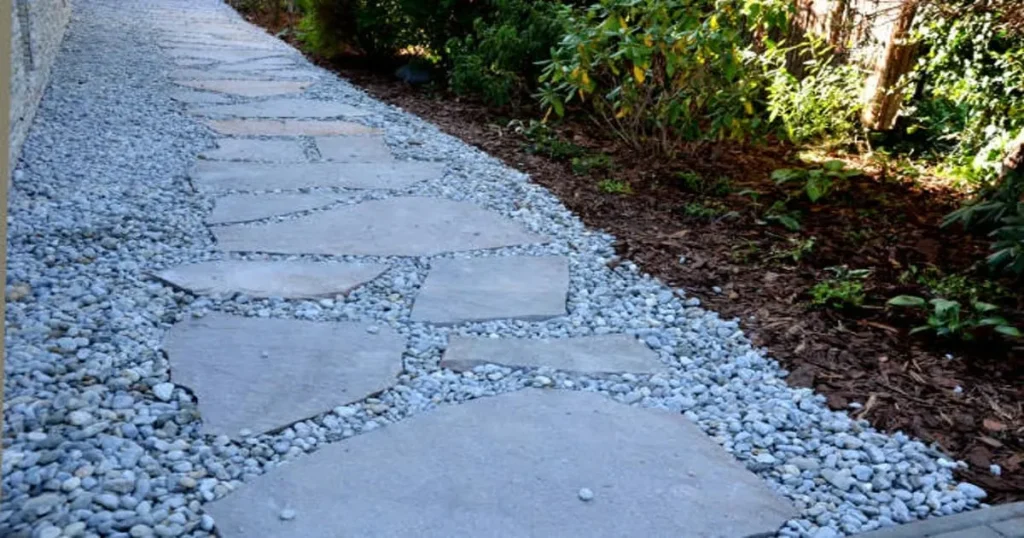
- Stone or gravel: These won’t decompose, so consider them in rock gardens, paths, or for drainage. They don’t feed the soil, though.
- Rubber mulch: Lasts a while, but doesn’t improve your soil; it’s more for specific uses.
How Mulch Installation Works in Kenmore NY
You get the best results when you don’t rush. First, clear away weeds, leftover leaves, and any debris. Then, prepare the soil so water soaks in easily and roots can breathe.
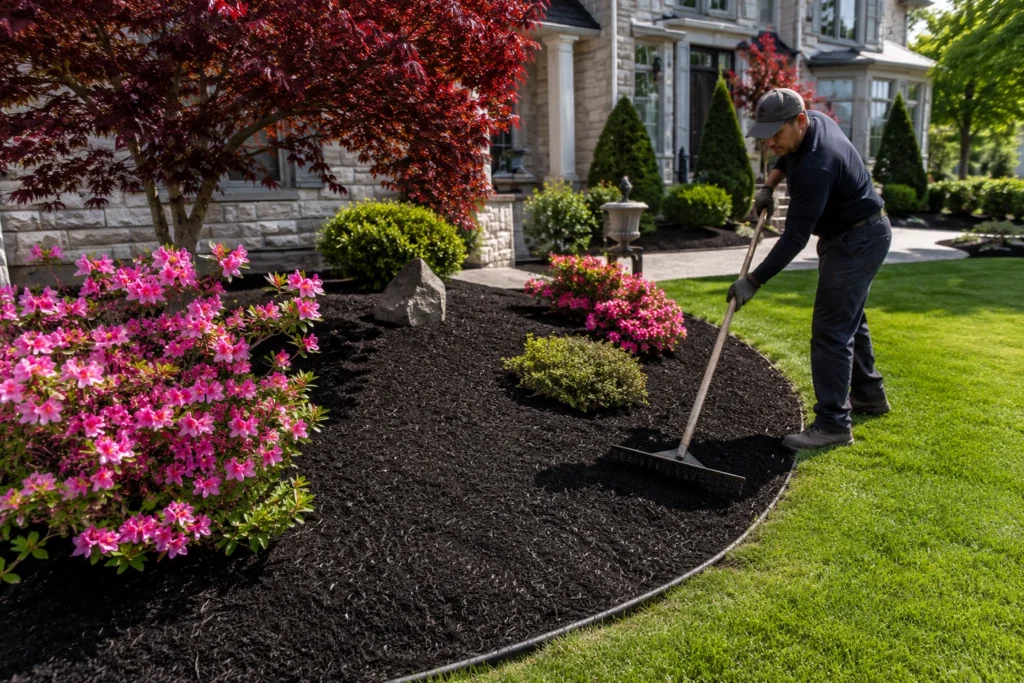
Don’t just dump on a thick layer; depth matters. Most of the time, 2 to 4 inches of organic mulch does the trick around trees and beds. A lighter cover works in some spots. Spread it out evenly and keep it away from tree trunks and the base of plants; mulch stacked against bark traps moisture, and that can rot the trunk.
After you lay down the mulch, sometimes you need to water, depending on the weather and the type of mulch you used. Keep an eye on things as the seasons change. Organic mulch slowly disappears, so you’ll have to top it off now and then.
If you don’t want the hassle, mulch installation services in Kenmore NY can recommend the right mulch, put it down at the right depth, and keep your yard looking sharp.
How Much Mulch Do You Really Need?
It’s pretty easy: measure the length and width of the bed, multiply the numbers, and you have the square footage. Odd-shaped beds? Break them into rectangles and add them together. Decide how thick you want your mulch; 2 to 4 inches is standard. Double-check with a local pro if you’re unsure; they can help you order the right amount.
Common Mulch Mistakes
More mulch isn’t always better. The “mulch volcano”, where mulch piles up around tree trunks like a tiny mountain, is almost always a mistake. It keeps bark wet and can cause rot. Stacking mulch too deep blocks oxygen from reaching plant roots. And if you pick the wrong material for the area, your plants won’t thank you.
Don’t just pile new mulch on top every year. Check your beds before adding more; sometimes, all you need is to rake and fluff up what’s already there.
Why Mulch Matters in Kenmore and Western New York
Our weather jumps from snowy and freezing to sunny and dry, sometimes all in one weekend. A solid layer of mulch protects planting beds when the seasons swing. It cuts down on erosion during heavy rain, saves water during dry spells, and insulates roots from temperature shocks.
For consistent results, mulch installation service Kenmore NY takes out the guesswork. The right team can choose the best material and make sure it’s spread just right – no volcanoes, no bare spots.
If you’re not sure which mulch suits your property or how much you need, just call Soil and Seed Landscaping at (716) 320-7707. They’ll walk you through the options and help you figure out what works for your yard.
When It’s Worth Hiring a Pro
If your garden beds are small and you like hands-on projects, grab a wheelbarrow and go for it. But larger properties, or homeowners who’d rather spend weekends somewhere other than the yard, are better off with pros. Professional mulch installation specialists deliver even coverage, skip common mistakes, and help you choose the right type for each section.
Mulch services in Kenmore NY aren’t just about a “fresh” look. It’s about setting up your plants and soil for the long run and making your yard easier to care for.
Conclusion
Mulch does so much more than make your garden beds look tidy. It locks in moisture, keeps weeds at bay, balances temperatures, supports soil life, and feeds your soil as it breaks down.
The most important things? Pick the right mulch, spread it at the right depth, and keep it away from trunks. Don’t add too much. Check the beds each year before topping up.
Still have questions about Mulch Installation in Kenmore NY? Call Soil and Seed Landscaping at (716) 320-7707. They’ll help you choose what’s best for your space.
If you want to dig deeper into proper mulching, look up the Penn State Extension’s guide on Mulching Landscape Trees, Mulching Landscape Trees.
FAQ
How thick should mulch be?
Usually, 2 to 4 inches does the job, but it depends on the mulch type and where you’re spreading it.
Which mulch is best for flower beds?
Shredded bark and wood chips are both solid choices. They look good and slowly feed the soil as they break down.
How often should mulch be replaced?
There’s no strict timetable. Check it now and then; refresh or add mulch when the old stuff is thinning out.
Do I have to remove old mulch before adding more?
Not always. If you’re not building up a thick layer over time, just rake and redistribute the old mulch. If there’s too much, scoop some out first.
Will mulch really help reduce weeds?
Yes, a proper layer blocks sunlight and makes it harder for weed seeds to sprout. Less time weeding is time well spent elsewhere.