A thick, green lawn does wonders for a property’s curb appeal. If you’re hoping for instant results instead of waiting for grass seed to fill in, Sod Installation Clarence NY is a great shortcut. But here’s the catch: you can’t just roll out some sod and hope for the best. A healthy lawn takes real prep work, fresh sod, and the right watering routine to really thrive.
If you live in Clarence or anywhere else in Western New York, you know the weather and soil can make or break your new sod. Paying attention to every detail, from prepping the ground right to caring for the grass afterward, really helps those roots take hold and ensures your lawn actually lasts.
Get the Soil Ready Before You Lay Sod
Don’t skip this part. Healthy sod can’t do its job if you stick it on top of compacted, swampy, uneven, or thin soil that’s missing nutrients. Proper Preparing Soil for Sod is an important part of getting your lawn off to a strong start.
First, clear the area. Rip out any weeds, old grass, rocks, branches, or anything that’ll get in the way. Grade the soil so rain drains away from your house, instead of pooling up against the foundation or in the low spots of your yard. If the surface is bumpy, now’s the time to smooth it out.
If your soil’s packed down hard, grab a rake or rototiller and loosen it up. Your new grass roots need room to reach down, not just sit flat on top. Sometimes you’ll have to add a layer of quality topsoil if your dirt is rough or thin.
If you’re in Western New York, pay attention to drainage. Wet yards spell trouble for sod. Look out for spots that stay soggy after rain, and fix the issue before laying anything green.
Not sure what to do? A professional sod installation service in Clarence can check your soil and let you know exactly what needs fixing before delivery day.
Test Don’t Guess: Check Your Soil’s Needs
A simple soil test gives you real info on your pH and nutrients instead of guessing and dumping fertilizer or lime all over. Cornell’s experts suggest always testing when you’re about to start a new lawn so you only add what’s actually needed.
Don’t mix up lime and gypsum; they’re not the same thing. Lime raises soil pH if your soil’s too acidic, but gypsum doesn’t do that job. For fertilizer, don’t just reach for a phosphate-heavy bag because you think “new grass needs it.” Many New York lawns already have plenty of phosphorus in the ground. A test tells you exactly what, if anything, you need.
For best results, send a sample to a real lab. Home test kits are fine for a quick look but miss some details.
Pick Fresh Sod and Install It Right Away
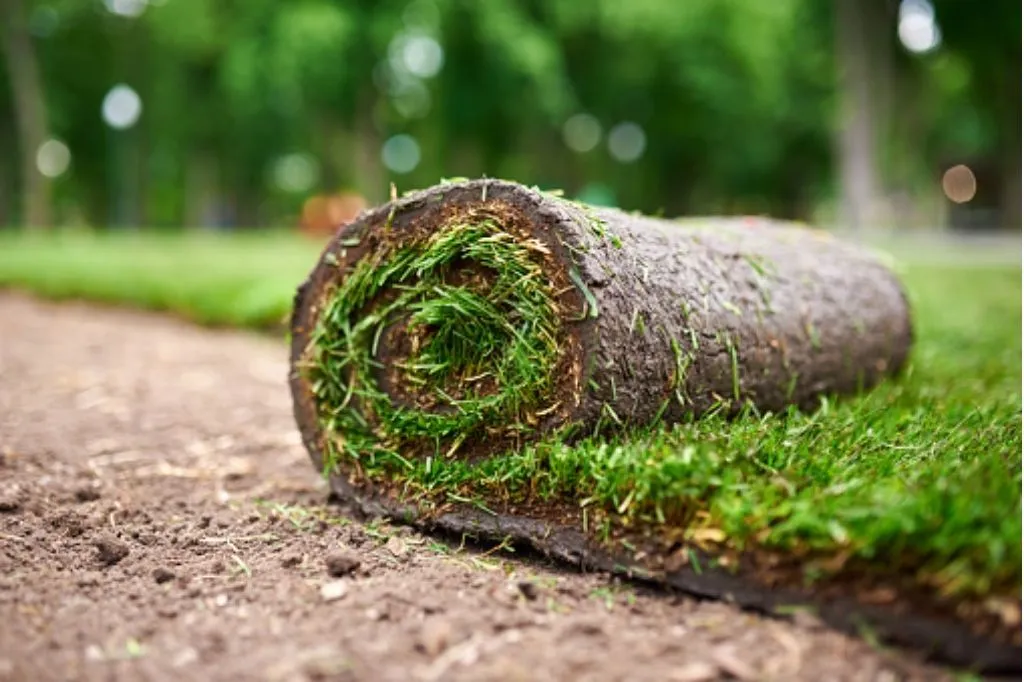
Sod is like produce; it’s best when it’s fresh. Try to install it the same day you get it. Don’t let it dry out or get cooked in the sun while it sits.
When you’re learning how to lay sod, pack each strip snug against the next without leaving gaps. Think of lining up bricks; the seams shouldn’t run in long lines. Never stretch the pieces just to cover bare spots; trim the edges so everything fits. Any little cracks will dry out and slow down root growth.
After you’re done, lightly roll the sod to press out air pockets and make sure roots touch the soil.
Got a big yard or a tricky slope? Bringing in a pro can make the job faster and guarantee your sod gets the best start.
Water According to the Weather
Your new Sod Lawn Installation needs water the second you finish laying it out. The goal is to keep both the grass and the soil beneath it damp, but not muddy or flooded. There’s no one-size-fits-all rule here since temperature, rain, and soil type all come into play, especially in Western New York’s unpredictable weather.
During the first couple of weeks, check how moist the dirt is under the sod, not just at the top. Keep everything damp until those roots are established. You might be out there watering every day at first, especially if it’s hot or windy. As roots grow deep, you can water less often but longer; like soaking the soil, not just misting the grass.
Not sure how to handle it? A local lawn pro can set up a watering schedule that makes sense for your yard and soil, not just the calendar. This is an important part of How to Water New Sod.
Wait Before Walking and Mowing
Stay off your new sod for a while. Walking over it too soon leaves footprints, compacts the soil, and can mess up the leveling.
When it comes to mowing, don’t rush it. Wait until the grass blades are tall enough and the sod doesn’t shift under your feet. When you do mow, set your mower high and only cut off about a third of the height. Keeping it a bit taller helps roots stretch deeper and crowds out weeds.
Wondering Exactly When to Mow New Sod? It’s less about the calendar and more about how your lawn’s actually growing.
What’s the Best Time for Sod in Clarence, NY?
With our ever-changing seasons here, you want to install sod when the weather is friendly for root growth. That’s usually early fall, when temperatures are mild, and rain helps out. Spring can work too, as long as the ground isn’t frozen or mucky.
The bottom line: aim for a time when the soil is workable, and the grass can get settled before extreme heat or winter hits. Choosing the right time is an important part of Sod Installation Tips for homeowners in the area.
Why Go with a Pro?
Your lawn’s success depends on all the little things, not just the sod strips. Grading, drainage, soil testing, picking good sod, careful installation, and smart watering- the pros know how to manage all of it, especially in tough spots or on big projects.
Thinking about a full lawn makeover? Call Soil and Seed Landscaping at (716) 320-7707. They’ll take care of everything and help you avoid common headaches like lumpy grass, soggy spots, or sod that dries up before it settles in.
You can also check out research-backed tips from Cornell University’s turf care resources if you like diving into the details: https://cals.cornell.edu/integrated-pest-management/eco-resilience/our-land-our-water.
Conclusion
Sod brings your yard to life fast, but the results depend on how well you set the stage. Prep your soil, deal with drainage, check nutrient levels, order fresh sod, lay it carefully, and stay on top of watering while it takes root.
If you want your New Sod Lawn to look great from the start, don’t cut corners on preparation. And if you’d rather leave it to the experts, Soil and Seed Landscaping is just a call away at (716) 320-7707.
Frequently Asked Questions
How long for new sod to root?
Usually a few weeks. Weather, soil, grass variety, and how you care for it all play a role.
How often should I water new sod?
Keep the soil evenly moist till roots grow in. Check conditions often; don’t let it dry out or get soggy.
When can I walk on new sod?
Wait until the sod feels anchored. Avoid any foot traffic while the ground is soft or wet.
When should I mow new sod?
Once it’s rooted firmly and has grown enough. Set the blade high and only take off a third of the blade at a time.
Do I need to fertilize before sod goes down?
Sometimes there’s already enough nutrients, especially things like phosphorus. Test first, then amend only if you need to.