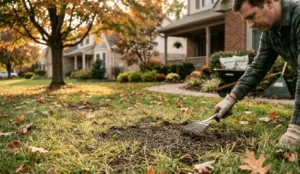
A green lawn does not come on a silver platter, but it needs maintenance, time, and proper methods. Few activities can make your lawn as thick and healthy as overseeding can. Nevertheless, with regard to overseeding, it all depends on the time of the year to choose to carry it out, which could result in success or failure. The best time for overseeding influences the germination of the seed, the formation of roots, and the overall resiliency of the lawn. This guide will cover the time and the reason behind the use of overseeding, and we will also provide you with tips that can help you have a successful yard.
What is OverSeeding & the Importance of Knowing the Best Time to Overseed a Lawn?
Any lawn can, over time, become thin as a result of foot traffic, climatic pressure, insects, and soil erosion. Overseeding is the best technique to fill up these bare areas, increase the grass density, and increase resistance to weeds and illnesses. When properly done, it will rejuvenate your lawn without necessarily having to do the entire renovation. You can get a full lush green lawn within a few weeks. But before going for overseeding, there is a very important factor you should know. To become a lush lawn, grass seed requires adequate temperature, moisture, and sunlight, but to provide these facts precisionly, it’s important to know when to overseed the lawn. Perfect overseeding lawn timing is the base of a vibrant lawn. You can seed at the wrong time, and germination could be reduced considerably.
How do Seasonal Timing Effects on Overseeding?
Overseeding will greatly rely on the season of choice. Different types of grass, cool-season grass and warm-season grass, have various growth cycles, and this directly affects the overseeding grass season.
Cool-season grass
Cool-season grasses such as fescue, ryegrass, and bluegrass are susceptible to moderate temperatures (15-25 Celsius). Early fall is the most appropriate time to overseed such grass types. At this period of time, there is warm soil due to summer, and the temperature of the air starts to decrease, which means that the conditions are ideal for germinating seeds. Autumn is generally thought to be the best time to overseed a lawn for healthy grass since it has a lower rivalry with the weeds, and it is less variable in moisture content. This will enable fresh grass to have strong roots before winter.
Warm-season grass
Warm-season grasses, including Bermuda, Zoysia, and St. Augustine grass types, are best over-sown in late spring or at the beginning of summer. These grasses require warm soils to germinate. Timing your plan to overseed your lawn according to your grass type will guarantee that it has good growth and that it does not become a failure of the seed. You can get a lawn overseeding schedule from professionals likeSoil and Seed Landscaping.
Why Fall Is Considered the Best Season for Overseeding a Lawn?
Best time for overseeding? Fall is the most favorite season among many homeowners to volunteer in relation to overseeding because it has a number of natural benefits. Lower temperatures of the air make young seedlings less stressed, whereas warm soil makes the germination rate increase. Also, in the autumn, the rainfall is more regular and thus, the watering does not have to be done often. Growth of weeds is also retarded at this time, thus allowing fresh grass to grow without competition. When you ask yourself when a good time to over-seed your lawn is, most areas need to aim at the first and middle of fall since it is usually the safest and most efficient.
Pros and Cons of Spring Overseeding
Another possible approach is spring, with challenges involved. Although the spring overseeding might appear like it is a new beginning to your lawn, it usually competes with the invasion of the aggressive weeds. The decision of the best time to overseed the lawn in spring needs to be made at the right time to prevent cases of over-seeding when temperatures are too high. But grass planted in the spring can not compete well with the summer heat unless it is well taken care of. Though they may present these challenges, spring overseeding can still be useful in the event that your lawn was damaged during winter or you were not able to do it during the fall.
How Climate Affects Overseeding Success Rate
The climate is significant in choosing the best time to overseed the yard. Areas that have mild winters and moderate summers have greater flexibility, whereas areas with extreme temperatures have to be timed accurately. Indicatively, a cooler climate may have a vast difference from tropical or subtropical climates. You can use soil temperature to know when it is time to start (50-65degF is the cool-season grasses’ temperature range). The knowledge of the local weather patterns will assist you in narrowing down the time to overseed the areas of the lawns.
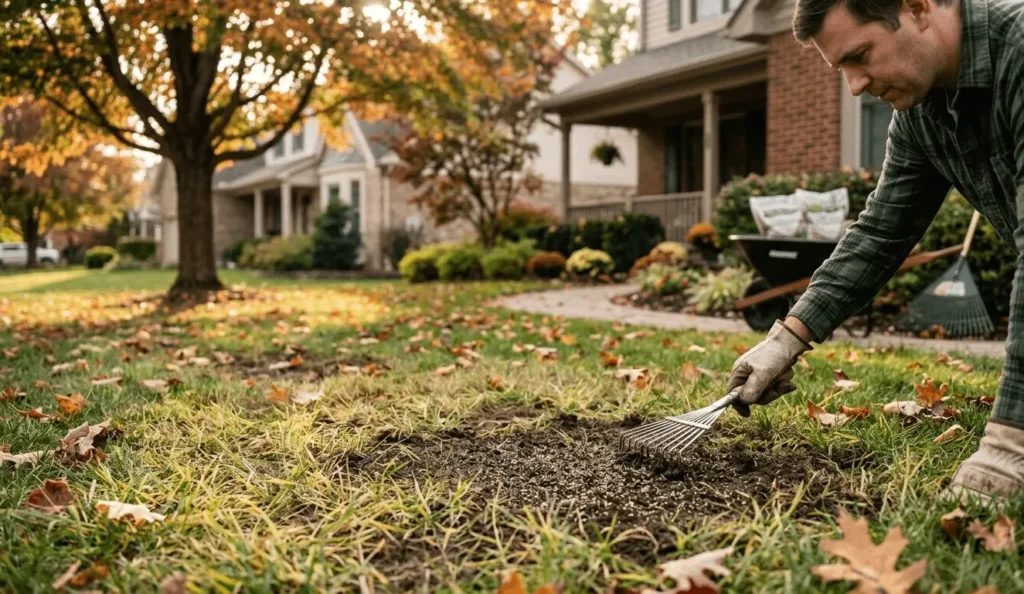
Your Step-by-Step Guide to Overseeding
The process is not limited to overseeding yards at the best time. It is also important to have proper preparation and execution.
Lawn Prep
Begin by moving your lawn. Thoroughly clear away debris and remove weeds in order to see the soil. This is to ensure good contact of the seed to soil. Don’t till it will compact soil and improve weeding.
Soil Aeration
This is because aeration aids loosening of compacted soils to allow penetration of the seeds as well as expansion of roots further. This is more particularly crucial in the enhancement of the health of the lawn in general.
Spreading Seed
Spread seeds by means of a broadcast spreader. Pay more attention to the skin that is bare or thin.
Proper Irrigation
Maintain the soil at all times without being heavy. Light watering is preferable to occasional heavy watering during germination.
Proper Fertilisation
Use a starter fertilizer to give the necessary nutrients that are required to support early growth.
By doing this, you are guaranteed to enjoy the optimum over-seeding yard conditions. Get to know about weed management by overseeding with the American Society of Horticulture from here.
Remember to Avoid These Common Mistakes While Overseeding
Although you may make the right decision in timing, some errors may interfere with your outcomes. Some of these mistakes include improper soil preparation, such as overworking the soil. Plants require physical contact with soil to germinate. The other error is not watering at the right time, and this may cause water to dry up and kill seedlings before they take root. Late overseeding is also dangerous since young grass might not be able to withstand the weather. These problems can be avoided by observing a properly worked-out lawn overseeding schedule.
Signs You Should Go for Overseeding for Your Lawn
It is not that I know whether it is high time to overseed. Look for these signs,
- Thin or patchy grass.
- Increased weed growth.
- Poor color or slow growth.
- Naked areas where pedestrians or pets used to be.
When you observe such problems, then maybe it is the best time to overseed grass and return it to good health.
Conclusion
The thin and vibrant lawn begins with the need to know how timing is important. When to overseed your grass is best dependent on the type of grass you have, the climate, and the general condition of your lawn. Although fall is usually best for most homeowners, spring and early summer can also be used in the appropriate situations.
By selecting the best time for overseeding, you will be certain that whatever you do will yield long-lasting solutions. Let Soil and Seed Landscaping help you with it.
FAQs
Is it possible to overseed my lawn during spring?
Yes, spring may be the choice, in particular, when your lawn has been ruined. Nevertheless, to ensure that the lawn does not struggle with competition from weeds and heat stress in summer, it is essential to select the most opportune time to overseed the lawn during the early spring.
When to overseed my lawn?
Overseeding of most lawns can be done once a year or at least once every 1-2 years. A correct lawn overseeding timetable aids in keeping it thick and avoids the invasion of weeds.
What is the average time to get results after the oversowing?
Grass seeds normally germinate after 7-21 days, depending on the type and the environment. The visible results will be accelerated with proper watering and care in the overseeding grass season.
Can I get overseeding service from Soil and Seed Landscaping for my lawn?
Of course, give us a call, and we are always ready to help you with our services.