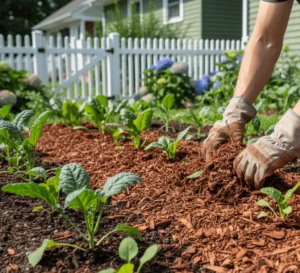
Weeds are easier to deal with when you prevent them from becoming established in the first place. Once weeds mature and produce seeds, keeping them out of garden beds can become a recurring task.
Learning how to avoid weeds in garden areas starts with a few simple practices: preparing the soil properly, covering bare ground, choosing plants that provide good coverage, watering carefully, and removing weeds before they mature.
Whether you maintain a small flower bed or a larger landscaped garden, combining several prevention methods can significantly reduce the amount of time spent weeding.
Why Do Weeds Keep Growing in Garden Beds?
Weeds are particularly common where soil is frequently disturbed or left uncovered. Bare soil receives sunlight and provides space for weed seeds to germinate. Seeds can also be introduced by wind, birds, water, animals, or soil brought into the garden.
Other conditions can contribute to weed growth, including:
- Thin or poorly established plant coverage
- Frequently disturbed soil
- Excessive watering
- Gaps between plants
- Existing weeds that are allowed to produce seeds
- Organic material accumulating on top of landscape fabric or other barriers
The goal of garden weed prevention is therefore not simply to remove existing weeds. It is to make garden beds less favorable for new weeds to establish.
1. Prepare the Soil Before Planting
Good garden preparation is one of the first steps in preventing weeds.
Before planting, remove existing weeds and as much of their root system as practical. Avoid simply chopping mature weeds into the soil, particularly if they can regrow from roots or have already produced seeds.
Adding suitable organic matter such as compost can improve soil structure and help desirable plants establish healthy roots. However, compost should not be used as a thick surface layer in an attempt to suppress weeds because it can also contain or introduce weed seeds.
Once the soil is prepared, avoid unnecessary disturbance. Frequent digging and turning of soil can bring dormant weed seeds closer to the surface where they receive the light and conditions needed to germinate.
2. Cover Bare Soil With Mulch
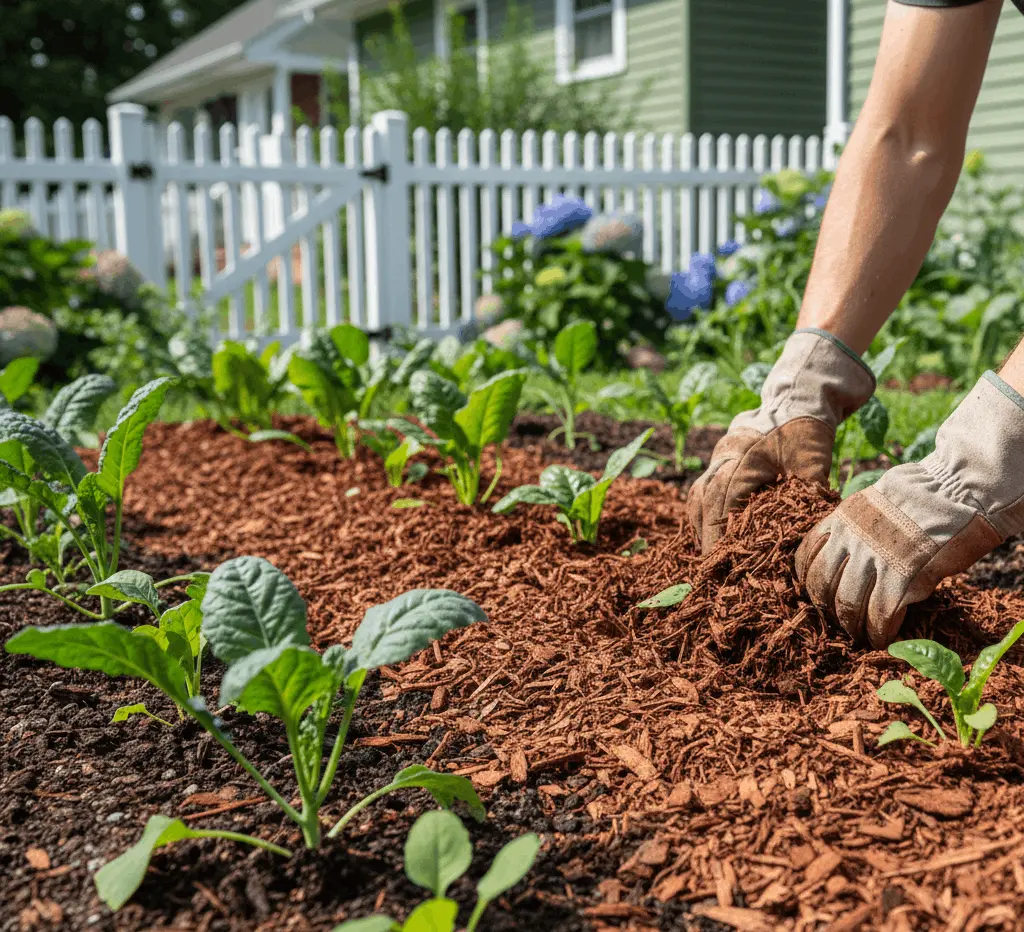
Mulch is one of the most practical methods for garden weed prevention.
A layer of mulch blocks much of the sunlight that weed seeds need to germinate while also helping the soil retain moisture. Organic mulches such as wood chips, shredded bark, and leaves can also contribute organic matter as they break down.
For many garden beds, a mulch layer around 2 to 4 inches deep provides useful weed suppression. Keep mulch slightly away from plant stems and tree trunks rather than piling it directly against them.
Different mulch materials have different characteristics:
- Wood chips and bark: Long-lasting options for landscape beds
- Shredded leaves: Useful as organic ground cover when applied appropriately
- Straw: Can work well in some vegetable and garden beds
- Compost: Better used as a soil amendment than as the primary weed barrier
- Gravel or decorative stone: Useful for certain ornamental beds and pathways
Mulch will not eliminate weeds permanently, but it can make germination more difficult and make occasional weeds much easier to remove.
3. Plant Garden Beds Densely Enough to Cover the Soil
Bare spaces between plants give weeds room to grow.
When selecting plants, consider their mature size and growth habit rather than planting everything too far apart. Groundcovers and other low-growing plants can help occupy open space and reduce the amount of exposed soil available for weeds.
However, avoid overcrowding plants simply for weed control. Plants still need sufficient room, light, air circulation, and access to water and nutrients.
A well-planned combination of shrubs, perennials, groundcovers, and seasonal plants can create more continuous coverage as the garden develops.
4. Water Plants Without Encouraging Unnecessary Weed Growth
Watering the entire surface of a garden bed can provide moisture to both desirable plants and weeds.
Where appropriate, drip irrigation or soaker hoses can direct water closer to plant root zones instead of repeatedly wetting large areas of bare soil.
The goal isn’t to keep the soil completely dry. Plants need adequate moisture to establish and grow. Instead, use watering methods that support the plants you want while avoiding unnecessary irrigation of surrounding areas.
Mulching can also help reduce evaporation and maintain more consistent soil moisture.
5. Remove Weeds Before They Produce Seeds
Even well-maintained garden beds will occasionally develop weeds.
Removing them while they are small is usually easier than waiting until they become mature. Once weeds flower and produce seeds, they can contribute to future weed problems.
Inspect garden beds regularly, particularly during periods of active growth. Pull or remove young weeds when the soil is reasonably moist, taking care to remove the roots where practical.
For larger weeds or established areas, the appropriate removal method depends on the plant and its root system. Persistent weeds may require repeated removal rather than a single treatment.
6. Use Landscape Fabric Selectively
Landscape fabric can provide a physical barrier between soil and weeds, but it isn’t a permanent solution for every garden.
It can be useful beneath decorative stone, pathways, and certain landscape installations. When used under mulch, it may also help reduce weed emergence for a period of time.
Installation matters. Overlapping seams properly and securing the fabric can reduce gaps where weeds can emerge.
However, organic debris can eventually accumulate above the fabric and create a new growing medium. Weeds may then establish on top of the barrier.
For that reason, landscape fabric should be viewed as one part of a garden maintenance strategy rather than a guarantee of a permanently weed-free bed.
7. Be Careful With DIY Weed-Killing Solutions
Some gardeners use household products such as vinegar or boiling water to deal with weeds. These methods can have limited uses, but they aren’t suitable for every situation.
Vinegar-based solutions can damage desirable plants if they come into contact with them, while boiling water can injure nearby roots and vegetation.
If using any weed-control product, read and follow its label instructions and consider the surrounding plants, soil, pets, and beneficial insects.
For many established garden beds, prevention through mulch, plant coverage, appropriate watering, and regular maintenance is a more practical long-term strategy than repeatedly treating weeds.
Seasonal Garden Weed Prevention
Weed pressure can change throughout the year, so garden maintenance should change with the season.
Spring
Spring is an important time to inspect garden beds and deal with weeds while they are still small. Refresh mulch where necessary and fill significant gaps in plant coverage.
Summer
Continue monitoring for weeds and maintain adequate soil moisture. Mulch can help reduce evaporation while limiting exposed soil where new weeds can establish.
Fall
Remove mature weeds before they have an opportunity to drop additional seeds. Clean up excessive plant debris while leaving appropriate organic material in place where it benefits the garden.
Fall is also a useful time to evaluate areas where bare soil repeatedly develops and plan improvements for the following growing season.
Winter
In colder regions, garden activity naturally decreases during winter. This is a good time to plan changes to planting layouts, mulch areas, drainage, and other features that can reduce weed problems when growth resumes.
The Best Approach Is a Combination of Methods
There isn’t one technique that will keep every garden completely weed-free.
The most effective approach is usually a combination of:
- Prepare the soil properly before planting.
- Avoid unnecessary soil disturbance.
- Cover exposed soil with appropriate mulch.
- Use plants to create healthy ground coverage.
- Water efficiently.
- Inspect beds regularly.
- Remove weeds before they mature and produce seeds.
- Refresh mulch and address bare areas as needed.
This layered approach makes it harder for weeds to establish and reduces the amount of repeated maintenance required.
For larger properties or garden beds that require regular attention, professional landscape maintenance can help with seasonal cleanup, garden-bed care, mulch maintenance, and other routine landscaping tasks.
Read more: BLM Weed Control Strategies from Bureau of Land Management.
Frequently Asked Questions
What is the best way to prevent weeds in a garden?
The best approach is usually to combine several prevention methods rather than rely on one product or technique. Proper soil preparation, mulch, healthy plant coverage, appropriate watering, and regular removal of young weeds can work together to reduce weed growth.
Does mulch really prevent weeds?
Mulch can significantly reduce weed germination by blocking sunlight and covering exposed soil. It does not prevent every weed, and mulch needs to be maintained and replenished as it breaks down or becomes displaced.
How deep should mulch be to help control weeds?
A mulch layer of approximately 2 to 4 inches is commonly used for garden beds. The appropriate depth depends on the material and the type of planting area. Avoid piling mulch directly against plant stems or tree trunks.
Does landscape fabric permanently stop weeds?
No. Landscape fabric can reduce weed emergence, but it is not a permanent guarantee. Weeds can grow through gaps, seams, or organic material that accumulates above the fabric over time.
Can I prevent weeds without using chemical weed killers?
Yes. Mulching, dense plant coverage, appropriate watering, soil preparation, and regular hand-weeding can all help reduce weeds without relying on chemical herbicides.
How often should garden beds be checked for weeds?
During active growing periods, checking garden beds regularly makes weed control easier. Removing weeds while they are small generally requires less effort than dealing with mature plants that have developed extensive roots or produced seeds.
Conclusion
Knowing how to avoid weeds in garden areas is less about finding a single weed-control solution and more about creating conditions where weeds have fewer opportunities to establish.
Preparing the soil, covering bare ground, choosing appropriate plants, watering carefully, and removing weeds early can make garden beds easier to maintain throughout the growing season. With consistent care, these simple practices can reduce weed pressure while keeping the landscape healthy and attractive.
Contact Soil and Seed Landscaping
If your garden beds need ongoing maintenance, mulch installation, seasonal cleanup, or general landscape care, contact Soil and Seed Landscaping at +17163207707 to discuss the right maintenance approach for your property.