Weeds! One of the worst nightmares of a gardener. They fight with plants for the sun, nutrients, water, and hinder healthy growth while destroying the look of the garden beds. Therefore, it is much more effective to learn how to avoid weeds in garden spaces rather than having to keep pulling them out as they appear.This guide from Soil and Seed Landscaping discusses natural, organic, and practical weed prevention techniques for home gardens of any size.
Understanding Why Weeds Grow in Gardens and Base to Weed Control in Gardens
Weeds thrive in disturbed soil, open areas, and places where plants struggle to develop strong roots. Open soils are a free invitation to the winds, birds, or water that bring weed seeds. A lack of good soil structure, irregular watering, and abandoned garden beds are additional factors that promote weed growth. The key to garden weed management is to realize that weeds do not show themselves until it is too late. Gardeners can work on soil and plant density to make the soil inhospitable to weed survival.
Soil Preparation for Weed Control
Soil preparation is one of the most overlooked yet most important steps for preventing weeds in garden areas. Good soil enhances good plant growth, which in turn crowds out weeds. It is necessary to remove any weeds and their roots before planting, as any remaining root pieces may regenerate. Enhancing soil with compost improves its structure and promotes the growth of beneficial microorganisms.
Properly prepared soil drains well yet retains moisture, thereby minimizing stress on plants and reducing the risk of weed establishment. Considerate soil preparation for weed control lays the groundwork for long-term success.
Mulch for Weed Prevention
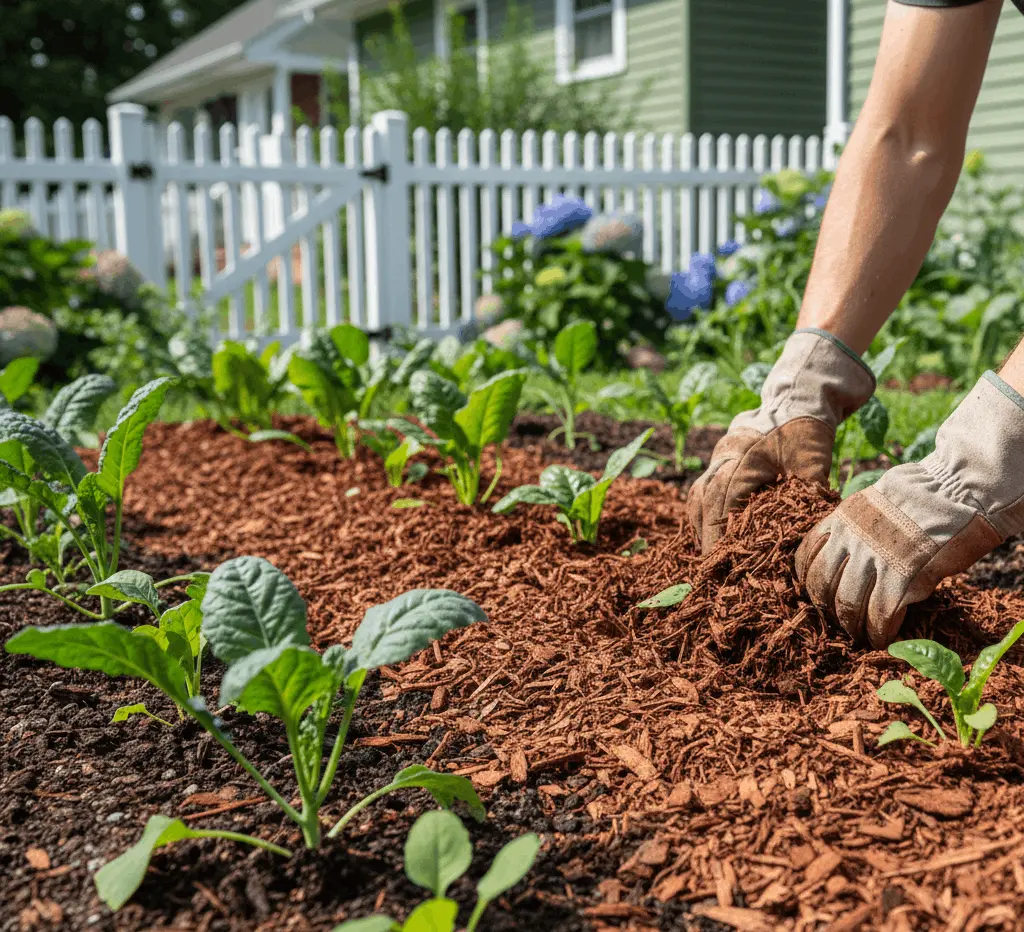
The best way to prevent weeds in garden beds is mulching. Mulch also shades the weed seeds from sunlight, preventing germination, and it also helps the soil retain moisture. Organic mulches (e.g., wood chips, straw, shredded leaves, or bark) decompose over time, improving soil health.
Two to four inches of mulch layer is the best to use in garden bed weed control. Mulch should be replenished on a seasonal basis. Besides suppressing weeds naturally, mulch can help control soil temperature and erosion. It is a versatile solution.
- The control of weeds by wood chips and shredded bark is extremely effective because they form a thick, long-lasting layer.
- Newspaper or cardboard used as mulch gives good, superior results with the existing weeds.
- Straw and pine needles provide good weed control when applied deeply, particularly in garden beds.
- Compost, grass trimmings, and shredded leaves provide a medium level of weed suppression, and they perform well when covered with a heavier mulch.
Landscaping Stones
Another good way for people asking “how to avoid weeds in gardens” is usage of landscape stones. Pea gravel, pebbles, and marble landscaping stones provide aesthetic appeal in gardens and help control weeds. Pea gravel is composed of small, smooth rocks that enable the drainage of water. You can lay them neatly to prevent weeds from growing between them, or else weeds may grow in between.
Larger pebbles provide more extensive coverage and form a neat, low-maintenance surface. These stones, combined with landscape fabric, form good long-term barriers against weeds. Landscaping stones are perfect for pathways, patios, and ornamental beds because they are durable, low-maintenance, have a clean, fashionable appearance, and reduce weed growth.
Landscape Fabric Weed Control
Landscape fabric is a physical barrier that prevents weed growth and also allows water and air to reach plant roots. This technique is quite effective in areas with pathways, raised beds, and in decorative landscaping. Landscape fabric for weed control would help significantly reduce weed pressure when used with mulch.
Fabric should, however, be laid in a manner that does not allow weeds to grow through the seams or on the surface of the fabric. But aesthetically, not suitable for landscapes.
Natural Weed Prevention
To find environmentally friendly ways to prevent weeds, gardeners resort to natural weed prevention methods. The best method is dense planting, where plants are planted tightly to cover the soil and deprive weeds of space to grow. And leaves block light from reaching the ground, preventing weeds from emerging. Covering the ground also prevents unwanted growth using low-growing plants.
Early and regular hand-weeding allows weeds to die before they grow and set seed. The techniques are in tandem with those intending to know how to avoid weeds in the garden naturally without chemicals.
Organic Weed Control Solutions
Organic weed control involves controlling weeds without harming soil life or nearby plants. These can be done with organic mulches, vinegar-based sprays, and hardscape weeding with boiled water. Although these solutions require frequent application, they are less harmful to pets, pollinators, and beneficial insects.
To gardeners who are firmly devoted to sustainability, the solutions of the organic weed control solutions provide a viable tradeoff between prevention and environmental responsibility.
Watering Practices That Reduce Weeds
Weed control in garden spaces is significantly affected by watering techniques. In bare soil, overwatering promotes weed growth, particularly. Drip irrigation or soaker hoses apply water to plants’ roots, leaving weeds with less moisture.
Selective watering helps promote desirable vegetation while discouraging weed seed germination. When combined with mulch, effective watering promotes long-term weed suppression and healthier garden beds.
Seasonal Weed Prevention Tips
Maintaining weed-free garden beds is not a single activity; it requires attention seasonally. The most crucial time to prevent weeds is in spring, before they have formed. Early application of mulch and dealing with weeds as they develop helps deter future seed growth.
During the summer, mulching and regular watering can help control proliferating weeds. In the fall, it is the best time to get rid of straggling weeds and make the soil fertile with compost, ready for planting in the new season. These are seasonal weed prevention tips that guarantee control year-round.
Combining Weed Prevention Methods for Best Results
There is no one solution that removes weeds. The weed prevention methods include preparing the soil, mulching, proper watering, and frequent observation. When these strategies are layered, several barriers form that prevent weeds at various stages of growth. So combine these strategies and use an easy, less maintenance method for you.
But if you are still wondering how to stop weeds without DIY work, you can hire a professional landscaping maintenance service like Soil and Seed Landscaping before they become a chronic issue. We offer seasonal, personalized, and ongoing maintenance solutions to keep your garden free of annoying weeds!
Read more: BLM Weed Control Strategies from Bureau of Land Management.
Conclusion
Weeds in garden areas should be prevented rather than removed. Gardeners can also reduce weed growth to a considerable degree by preparing the soil, using mulch and natural and organic techniques, and adhering to the seasonal care routine. Once you understand how to prevent weeds in gardens, a healthier, cleaner, and more pleasant garden is quite possible with patience and consistent effort.
Contact Soil and Seed Landscaping
Read How to Avoid Weeds in Your Garden: Best Prevention Methods. Get in touch with Soil and Seed Landscaping today so we can ensure your garden remains healthy, vibrant, and weed-free!
FAQs
Can garden bed weed control be done with inorganic solutions, such as gravel or landscape fabric?
Yes, landscape cloth, pea gravel, and rubber mulch shield the soil from the sun and provide a physical barrier, making it more difficult for weeds to grow. To achieve longer-term effects, these should be used alongside mulch and seasonal upkeep.
Does Soil and Seed Landscaping provide weed control services?
Absolutely! We offer specialized landscaping maintenance services for garden bed weeds, soil preparation, and landscapes that suit your garden.