
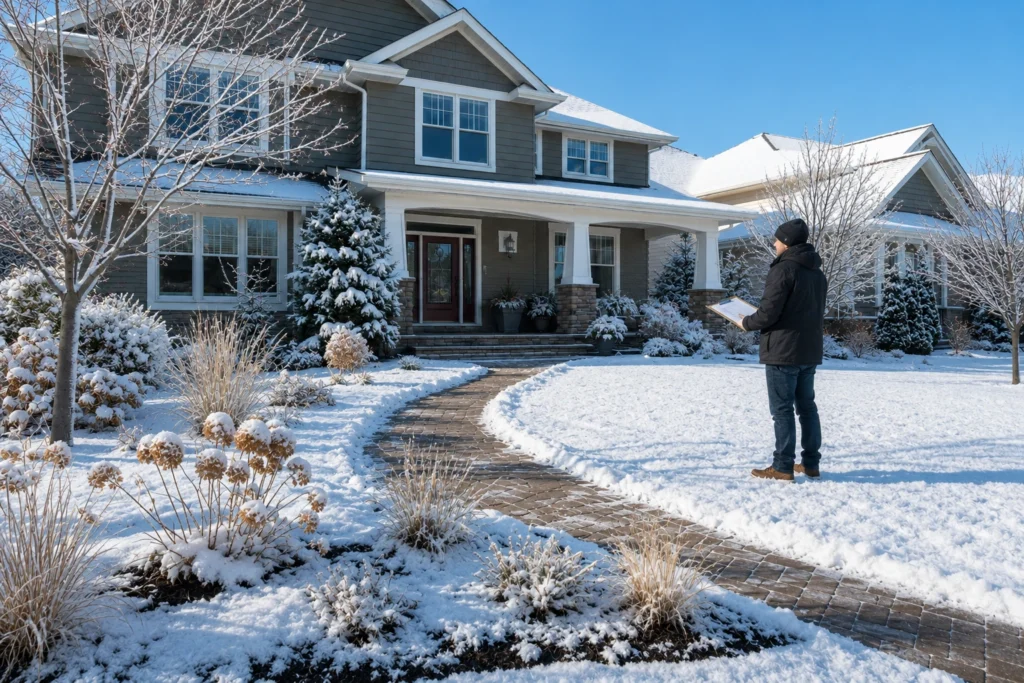
Winter in Western New York can be brutal on your garden. Between heavy snow, biting winds, and wild freeze-thaw cycles, your landscape takes a beating. You put in all that work during spring and summer, then winter rolls in, and suddenly, your garden beds are struggling to recover come springtime. Honestly, one of the simplest, most effective ways to shield your plants from all that punishment is to lay down mulch before the temperatures really drop. It keeps your garden healthier, helps your soil bounce back faster, and cuts your spring workload way down.
Good mulch acts like armor for your landscape. It stabilizes the soil, guards your plants against harsh weather, and boosts the overall health of your beds. Doesn’t matter if you tend flower gardens, big trees, shrubs, or whatever mix you’ve got, mulching right before winter helps hold everything together.
Let’s dig into why mulching garden beds for winter western new york really matters around here and what it does for your property.
Why Winter Wears Down Your Garden
If you’ve lived here long, you know, winters are no joke. Sure, a blanket of snow can insulate your plants, but rapid temperature swings are the real enemy. When the weather flips from hot to freeze and back again, it stirs up the soil and can actually push plant roots up toward the surface, leaving them exposed and at risk. Then, there’s the wind, which just dries everything out, and once the ground’s frozen, roots have a tough time getting the moisture they need. By spring, some plants just don’t bounce back.
That’s where mulch comes in. It’s like tucking your garden in under a heavy, protective quilt, helping the soil stay at a more balanced temperature and saving your plants from the worst of winter’s mood swings.
What Mulch Is and Why You Need It
Mulch is simply a layer of stuff, bark, wood chips, pine needles, leaves, or compost, spread over your soil. If it’s organic, even better, since it breaks down over time and actually improves your dirt. And sure, mulch tidies up a yard, but its real magic is deeper, it shields roots, helps hold onto moisture, blocks weeds, and keeps your precious topsoil from blowing or washing away. When winter’s at its meanest, your garden craves this kind of protection.
But to get those benefits, the mulch needs to go on right. Professional mulch installation ensures it is deep enough, but not smothering, and spread evenly so it stays where you want it.
How Mulch Shields Your Roots
Roots are much more fragile in winter than most people realize. Mulch acts like insulation, slowing down temperature swings at the soil level. That means fewer nasty freeze-and-thaw cycles, and fewer roots getting damaged or shoved up toward the open air. Strong roots survive winter and reward you with healthier, faster-growing plants in spring. Flowers bloom harder, shrubs come back quicker, and trees withstand stress with less drama.
Keeping Soil Moist When It’s Cold
It’s easy to think that plants don’t need water in winter, but some, especially evergreens, are still losing moisture every day. Dry winds and frozen ground make it even harder for roots to replace that lost water. Mulch helps trap what moisture’s already in the soil before the deep freeze sets in, giving your plants a fighting chance to make it through until spring. That’s another big reason mulching garden beds for winter western new york is recommended by experienced landscapers.
Stopping Soil Erosion
Winter’s not gentle on bare earth. Between melting snow, ice, and random winter rains, topsoil can wash right out of your garden beds. Mulch acts as a buffer, soaking up the worst of the impact and helping keep your soil and the nutrients in it from drifting away. Protecting that soil now saves you from bare spots and stubborn, weakened plants later on.
Fighting Weeds Before They Start
Weeds are sneaky. A lot of them start growing under the snow well before you notice anything green. Mulch blocks sunlight, so weeds have a much tougher time sprouting. Come spring, you’re not stuck pulling a jungle of weeds or fighting them for space, water, and nutrients.
So, put that mulch down ahead of winter. It saves a ton of effort when things start greening up again.
Boosting Soil Quality Over Time
The neat thing about organic mulch is that it keeps working for you even after the snow melts. As it breaks down, it feeds your soil with organic matter, makes it looser and richer, and helps beneficial bugs and microbes do their thing. You end up with healthier soil, better structure, better water retention, and stronger roots, year after year.
This is one of the many reasons regular Garden maintenance is so important for long-term landscape health.
Making Your Yard Look Good Even in Winter
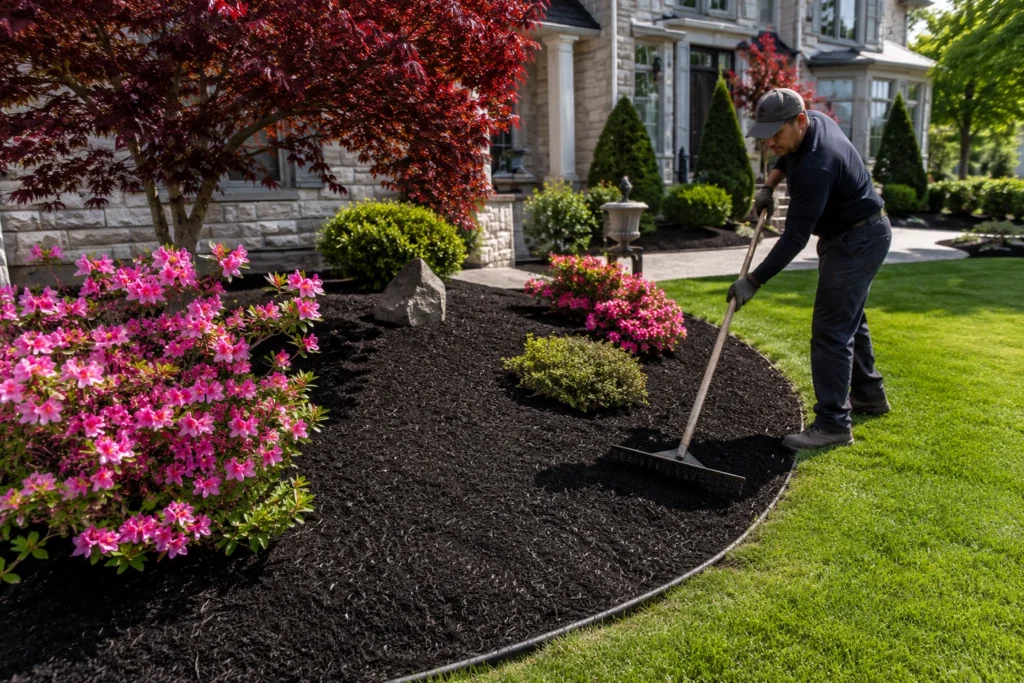
Let’s be real, mulch also just looks great. It draws sharp, clean outlines around beds, shows off your flowers when they’re up, and gives your whole landscape a tidy, deliberate feel. Even in the dead of winter, dark mulch against the snow adds real curb appeal. And with the right mulch color, your yard can pop no matter what the weather throws at it.
A thoughtful landscape design often includes mulch that complements your home’s style while protecting your plants.
Picking the Right Mulch for Tough Winters
Not all mulches stand up to our winters equally. Stick with organic options. They help insulate and improve your soil. Shredded hardwood works well because it doesn’t blow away. Pine bark keeps things well-drained but still moist. Wood chips are terrific around big trees or larger beds.
Professional mulch installation makes such a difference, making sure each bed gets exactly what it needs.
The Value of Professional Help
Spreading mulch seems easy, but there’s a knack to doing it right. Professional landscapers know what kind is best for your setup, how much to spread, and how to prep your garden so mulch keeps working all winter. They’ll clean up beds, pull out weeds, edge your borders, and make sure you get protection and good looks in one go.
If you want your garden ready before that first frost, call Soil and Seed Landscaping at (716) 320-7707. Their team has the know-how to help your garden power through the cold months.
Teaming Mulch with Other Yard Care
Mulch works best as part of an overall care routine. It’s not a one-and-done fix. Healthy gardens need regular care, from the lawn to the flower beds. Seasonal pruning, paver patio installation, and other landscaping services all work together with mulching to boost both the look and durability of your landscape.
Regular lawn maintenance service also helps keep your entire property looking its best throughout the year.
When every piece of your yard gets some focused attention, the whole property stays inviting all year.
Prepping Your Garden Beds First
Before you dump down fresh mulch, take the time to clear out the old stuff, dead leaves, weeds, battered annuals, and broken branches. If the soil needs it, add a touch of compost first. This lets the mulch sit evenly and keeps old weeds from popping up stubbornly beneath your new layer.
When you spread the mulch, don’t pile it right up against stems or trunks. Leave a little breathing room around each plant base so air can circulate and disease won’t take hold.
Protecting Your Landscaping Investment
Your yard takes work and money. Don’t let winter set you back. Mulching now reduces the chance of winter-killed plants and avoids those springtime fixes nobody wants to pay for.
If you want your investment to go the distance, schedule mulching before the real cold hits. Soil and Seed Landscaping at (716) 320-7707 can help.
The USDA Natural Resources Conservation Service also explains how healthy soil supports stronger plant growth and long-term landscape health. Learn more here: https://www.nrcs.usda.gov/conservation-basics/soil/soil-health.
Conclusion
Winter in Western New York isn’t kind, but your garden doesn’t have to suffer. Smart, well-timed mulching garden beds for winter western new york gives your beds real protection, fighting off freeze damage, erosion, weeds, and lost moisture. It also makes your yard look better and helps you start spring stronger.
Whether you’re a casual gardener or someone who loves their landscaping, mulch is a must before the snow flies. Blend it with regular Garden maintenance, quality landscape design, expert mulch installation, dependable landscaping services, professional paver patio installation, and reliable lawn maintenance service, and your outdoor spaces stay handsome and healthy no matter what the season brings.
FAQ
Why does mulch matter so much in Western New York winters?
It insulates your soil, shields plant roots from deep freezes, locks in moisture, and keeps your topsoil from blowing or washing away.
When should I lay down winter mulch?
Wait until late fall, right after the first hard frost, but before the ground’s totally frozen.
How thick should the mulch layer be?
Around two to four inches is just right. Too thin doesn’t cut it, too thick can hold in too much water.
Does mulch really help stop weeds?
Yes. By blocking sunlight, it slows down weed growth, making spring cleanup easier.
Is it worth hiring pros to install mulch?
Definitely. They pick the right type and depth for each bed, and do the job so your plants get the best winter shield possible.