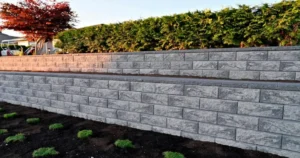
Soil erosion can slowly change the shape of your yard. It can reshape your yard, strip away that rich topsoil, expose your plants’ roots, and leave lumpy patches that are just annoying to look after. If your property’s got a slope, you’ll notice the problem more, especially after heavy rain or snowmelt. Retaining walls for erosion control are a solid way to handle this kind of erosion.
A well-built retaining wall acts like a shield, keeping soil where it belongs and directing water, so it doesn’t just rush downhill and take your yard with it. With proper retaining wall installers, healthy plants, and smart grading, that wall becomes a key player in fighting erosion for years. This type of soil erosion control can also support long-term soil stabilization around your property.
If you live in West Seneca or elsewhere in Western New York, understanding how retaining walls work will help you figure out if it makes sense for your land.
How Retaining Walls Keep Soil in Place
Retaining walls are built to deal with changes in elevation. On a slope, gravity pulls dirt downward, and when rain hits, it loosens everything up even more, sending soil and sediment sliding to the bottom.
That’s where erosion control retaining walls step in. They resist the push of soil, holding it back and making your slope more secure. If you’ve got a steep yard, an eroding garden bed, or a slope that’s tough to manage, a wall can tame the mess and even turn the area into usable space for plants, grass, or outdoor features. This makes retaining wall erosion control useful for homeowners looking for yard erosion control.
There are a couple of types, depending on what your place needs. Gravity Retaining Walls rely on their own weight; segmental retaining walls use interlocking blocks and engineered materials to stay strong.
Retaining Walls and Water Runoff
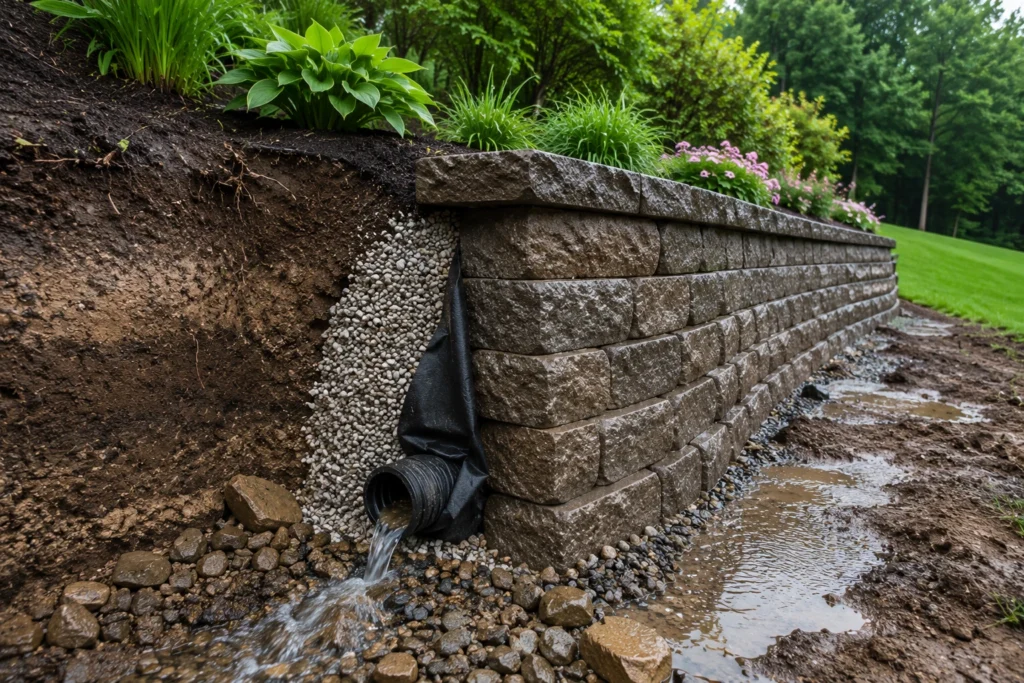
Water is the number 1 cause of erosion. During storms, water racing down a slope grabs loose soil and carries it off.
Retaining walls break up the hillside, creating shorter segments that slow water down and limit how much soil gets hit by fast-moving runoff. This is why rainwater runoff control matters. It can be especially helpful when you need to prevent soil erosion on a property with a noticeable slope.
But a wall shouldn’t just block water and hope for the best. You need a way for water to leave safely, proper grading, good drainage, healthy plants, and other landscape erosion control solutions.
When a Retaining Wall Makes Sense
Not every erosion problem calls for a wall. Usually, you need one when erosion comes from steep elevation changes or the soil is slipping and needs backup.
If storms keep washing soil away from a slope or the base keeps getting unstable, a wall is a smart move. Sometimes, you want to carve out flat spots on a hill, making it easier to plant or set up an outdoor area. This is one reason retaining walls for sloped yards can be useful for erosion control for sloped yards.
For smaller trouble spots, you can often fix things by planting ground cover, adding mulch, improving the soil, or tweaking drainage.
Drainage Behind a Retaining Wall: Why It Matters
Most homeowners don’t see what happens behind the wall, but that’s where trouble can start.
Water pooling behind a wall creates pressure, and if it can’t drain out, you end up with cracks, leaning, or shifting. That’s why having the right drainage, gravel, drainage pipe, outlets, and careful grading is crucial. The setup depends on your soil, slope, wall type, and water flow. Proper retaining wall drainage solutions can help manage this water and protect the structure.
If you’re dealing with standing water, soil running away, or a wall that’s starting to tip, get it checked before the repair bill gets huge. You can call Soil and Seed Landscaping at (716) 320-7707 if you need help with Landscape Drainage Solutions.
Retaining Walls vs. Other Ways to Control Erosion
Retaining walls aren’t the only fix. If you’ve just got a gentle slope, planting grass, shrubs, native ground cover, or deep-rooted plants might do the trick. Mulch also shields bare soil from rain and slows down water.
You might also need better drainage, grading, swales, or other solutions to move water away from trouble spots.
But when the slope’s steep and soil keeps sliding, plants and mulch won’t cut it. You need something solid, like a wall, to hold everything back. Retaining walls really matter when you’re dealing with tricky slopes. They help keep everything in place and make erosion less of a headache.
Honestly, the smartest way to tackle it is to mix things up: use walls for stability, add plants as a protective layer, and set up drainage to deal with extra water.
Why Proper Installation is Key
A retaining wall’s effectiveness depends on how it’s built. You need a sturdy base, a structure that matches the soil and slope, and drainage that’s figured out before you start.
Professionals will look at how the wall fits into the bigger landscape. Water runoff from roofs, driveways, patios, and even the upper yard can affect the wall.
And in West Seneca, you’ve got to think about seasonal changes, rain, snowmelt, freezing temps, and shifting soil. When it’s planned well, a wall makes tough sections of your yard more stable and easier to manage.
If you are considering retaining wall installation or retaining wall installation services, proper planning can help make sure the wall addresses the actual erosion problem instead of simply covering it up. Experienced retaining wall builders can also consider the slope, soil conditions, drainage, and overall landscape before construction begins.
Maintaining Your Yard After Installing a Wall
Installing a retaining wall isn’t a “set it and forget it” deal. Keep drainage outlets clear, keep an eye on soil movement, and watch for cracks, bulging, leaning, or pooling water.
Plants go a long way, too. Choose ones that anchor the soil or cover bare areas with mulch to soften the impact of rainfall.
Regular landscape checks help you catch problems early, before they turn into expensive fixes. Soil and Seed Landscaping also offers ongoing maintenance in West Seneca. If you need Retaining Wall Repair West Seneca NY, keeping an eye on early signs of movement can help you address problems before they become more serious.
For tips about drainage mistakes with retaining walls, check out their guide.
Do Retaining Walls Actually Prevent Erosion?
Yes. When they’re designed for your slope, soil, and water situation, retaining walls hold soil in place, shrink the length of the slope, and help control water movement.
Still, sometimes the problem isn’t big enough for a wall. You can often handle small erosion issues with strong vegetation, mulch, grading, or drainage tweaks. But when slopes keep sliding, or you’ve got a major elevation change, a wall is the answer.
If you’re unsure, get a professional evaluation. They’ll help figure out why erosion’s happening and what’ll actually fix it. To talk about your yard or get advice, call Soil and Seed Landscaping at (716) 320-7707.
For homeowners researching Retaining Wall Construction West Seneca NY, the most important thing is to focus on the actual erosion problem, drainage conditions, and slope rather than choosing a wall based only on appearance.
Frequently Asked Questions
Can retaining walls stop soil erosion?
Yes. A well-built wall holds soil in place and cuts down on movement in sloped yards.
Are retaining walls good for sloped yards?
Yes, they help stabilize changes in elevation and give you more usable space.
Does a retaining wall need drainage?
Yes. Good drainage keeps water from pressing against the wall and causing damage.
Can plants prevent erosion without a wall?
Sometimes. Deep-rooted plants, ground cover, and mulch tackle minor erosion, especially on gentle slopes.
When should I consider a retaining wall?
Think about it when soil keeps sliding downhill, a slope feels unstable, or you need structural support for a big elevation change.