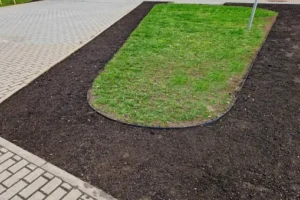
Mulch does a lot more than just tidy up a garden bed. When you install it the right way, mulch helps lock in soil moisture, keeps weeds in check, protects plant roots, and even helps manage soil temperature. For homeowners around Western New York, picking the right mulch can make your garden beds a whole lot easier to manage as the seasons change.
Now, timing isn’t just a small detail; it really matters. Most people in this area find spring works best for mulching, mainly because it’s easy to clean up the beds and get everything ready before the plants kick into high gear. Fall can work too, especially if you’re trying to get your yard ready for winter.
This guide breaks down everything about Mulch Installation Kenmore NY homeowners should know about mulching, from picking the right type and prepping the beds to figuring out how much you need and keeping things looking good afterward.
When’s the Right Time to Mulch in Kenmore?
Kenmore’s weather throws a bit of everything at you: cold, snowy winters, wet springs, warm stretches in the summer, and those unpredictable fall days. So, lining up your mulching with the seasons makes a difference.
Most folks find early or mid-spring is the sweet spot. Once winter’s out of the way, you can clear out dead leaves and weeds, and a fresh layer of mulch helps keep soil moist while new plants start to grow. Plus, if you take care of spring cleanup first, your mulch will go down over a nice, clean bed. If you want a hand with that, companies like Soil and Seed Landscaping can get your yard in shape for mulching.
Mulching in fall has its perks too. After you rake up those leaves and clear away debris, adding mulch keeps your beds tidy and protects roots as temps drop. Just don’t go overboard by piling it on super thick; that won’t help in winter.
Picking the Right Mulch
There’s no one perfect mulch for every yard. Your choice depends on what you’re planting, what look you’re after, and how much maintenance you’re up for.
If you have bigger areas or beds full of shrubs and trees, wood chips are a straightforward option. They look natural, help hold in moisture, and do a good job stopping weeds.
Bark mulch looks a little neater and fancier. It sticks around longer than some other organic mulches and is a solid choice if you want your beds to stay good-looking with less frequent touch-up.
Straw comes in handy for vegetable patches or when you just need short-term soil cover. It’s light and breaks down fast, so you may need to replace it more often.
Compost enriches the soil and adds organic matter as it decomposes. The downside? It doesn’t block weeds quite as well as chunkier mulches.
You can also go inorganic with things like stone or gravel. These won’t break down, so you don’t get extra nutrients, but they suit certain landscape looks and last a long time.
Deciding between Wood Mulch vs Bark Mulch often comes down to the style you want and how often you feel like refreshing it. When choosing the Best Mulch for Landscaping, consider the needs of your plants, the appearance of your beds, and how much maintenance you want to handle.
How Much Mulch Do You Actually Need?
People ask this a lot, and it’s simple to figure out once you know your bed size and how thick you want the layer.
Measure up your beds. For rectangles, multiply the length by width. Irregular shapes? Break them into smaller chunks, measure each, and add them together for your total square footage.
Most home gardens do fine with a 2 to 4-inch layer. Once you know area and depth, you’ll be able to estimate how much mulch to order. This is the basic way to work out How Much Mulch Do I Need for your garden beds.
Already have mulch down? Check how deep it is before buying more. Too much mulch can smother plants, an easy mistake to make.
How Deep Should Your Mulch Layer Be?
For most yards, 2 to 3 inches hits the mark. Larger wood chips can go up to 4 inches if needed. Less than that, and weeds creep through, or you’ll lose moisture faster. But pack it on too deep, and you’ll block airflow, cause root problems, and promote rot.
Knowing how deep mulch should be helps you get the benefits of mulching without creating problems for your plants.
When a pro does the job, they aim for a flat, even layer, with no big mounds piled up around plants.
Do You Need to Remove Old Mulch First?
Not always. Start by checking what you already have.
If there’s just a thin layer and it’s broken down well, you can add fresh mulch right on top. But if the old stuff is thick, packed down, smells off, or clogged up with dirt and debris, it’s better to clear some of it out before you add more.
This step matters; just piling up layers hides problems and doesn’t fix them. Knowing Should You Remove Old Mulch before adding a new layer can help prevent over-mulching.
How to Mulch a Garden Bed
Prepping is half the work; don’t skip it.
First, walk your beds and pull any weeds, dead leaves, sticks, or anything that shouldn’t be there. Double-check your plants so you don’t cover their stems or crowns.
If you want crisp lines, edge the beds first. This keeps the mulch where it belongs and gives a clean border next to your lawn.
Check the soil, too. If it’s super dry, give it a soak before mulching.
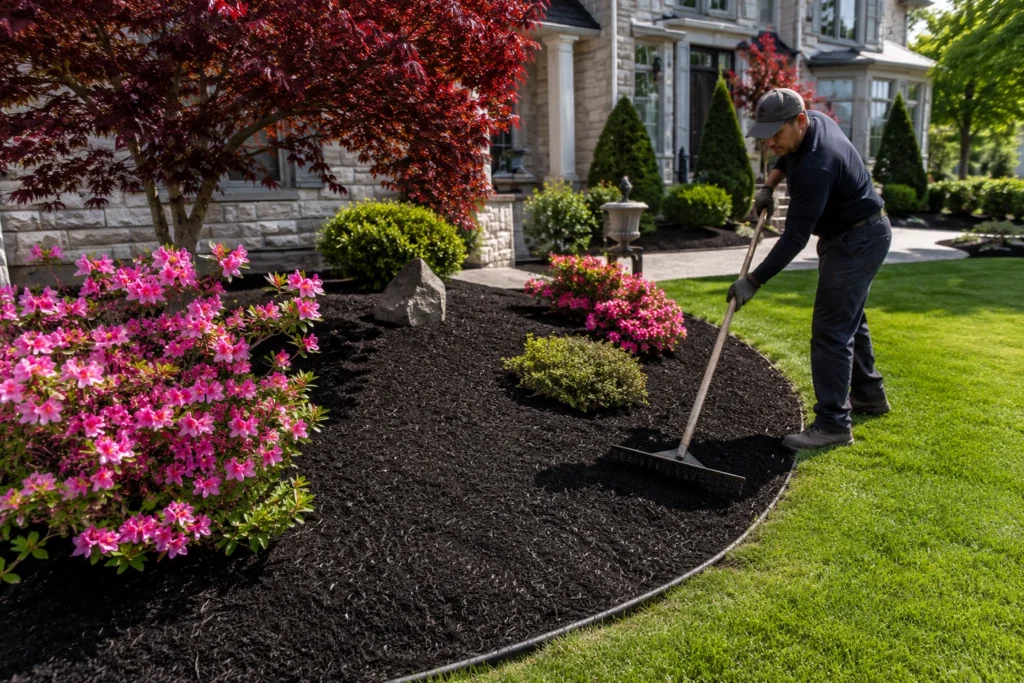
Once you’re ready, spread the mulch evenly; don’t dump it in piles and forget about it. Get an even layer, and keep the material a bit away from plant stems and tree trunks to let them breathe.
Give the bed a final look. Smooth out highs and lows, tidy up the edges, and you’re done.
This approach is what you’ll get from a professional mulch installation installer in Kenmore, whether you have flower beds, trees, shrubs, or bigger areas.
Mulching Around Trees and Shrubs: Don’t Make Volcanoes
You see this mistake all the time: people heap mulch right against tree trunks like little volcanoes. That’s bad news. Mulch piled up against bark traps moisture, limits airflow, and invites decay, pests, and disease.
Always leave a gap around the trunk; just a few inches of clear space is fine. Spread the mulch out in a wide, even circle, ideally reaching the canopy’s edge if you can.
Doing it this way controls weeds and protects your trees without causing more headaches down the line. Proper placement also plays an important role in how to Prevent Weeds With Mulch while keeping trees and shrubs healthy.
Taking Care of Mulch After It’s Down
Mulch isn’t “set it and forget it.” Rain, wind, and foot traffic can shift things around, and it naturally breaks down over time.
Check your beds every so often, especially after storms or heavy use. Pull displaced mulch back where it belongs and clear out any weeds that pop up.
Don’t just add more mulch every year by default. Check what’s already there first. How often should you replace mulch depends on the mulch type, the weather, and how much it’s breaking down. Bark sticks around longer than shredded wood or fine organic material, so you might get by with less frequent touch-ups.
All of this routine care keeps your garden looking sharp and your beds healthy for the entire season. Regular landscape mulching and maintenance can help keep your property looking its best throughout the year.
When to Call in the Pros
Mulching a little flower bed yourself is one thing. But if you have big gardens, loads of tree rings, a commercial space, or you’re short on time, hiring a professional can really save you from a ton of work and mess.
If you want help picking the right mulch, getting the correct depth, or just want your beds evenly covered without lifting a finger, a company like Soil and Seed Landscaping is a solid choice for bigger jobs in Kenmore. Professional Mulch Installation Services Kenmore NY can be especially useful for large properties, extensive garden beds, and seasonal landscape projects.
For larger projects, Mulch Services Kenmore NY homeowners can rely on them to make preparation, spreading, and cleanup much easier. If you need help with Mulch Installation Kenmore NY, call Soil and Seed Landscaping at (716) 320-7707.
Why Mulching Matters in Kenmore
Mulch does more than make your place look tidy. Good mulch keeps your soil healthy, protects your plants, cuts down on weeding, and helps tie the whole landscape together.
Especially in Kenmore, with our unpredictable weather, making sure you prepare and maintain your mulch really pays off. You’ll spend less time fighting weeds and more time just enjoying your yard all the way into fall.
FAQ
What’s the best mulch for garden beds?
Depends on what you’re growing and the look you want. Bark and wood mulch are both solid picks for most home yards. The Best Mulch for Garden Beds depend on your plants, landscape style, and maintenance needs.
When should you mulch in spring?
After winter cleanup, before your plants really take off, early spring works well. This is generally a good time for when to mulch in Spring.
Can mulch completely stop weeds?
Not 100%. Mulch slows weeds way down, but some will still squeeze through, especially if the prep wasn’t great.
How often should you refresh mulch?
Check on it once or twice a year. Depending on what you use and how fast it breaks down, you may need to top it off every year or two.
Is professional mulch installation worth it?
If you have big beds or commercial properties or just don’t want the hassle, hiring someone makes the job faster and more even. A Mulch Installation Company Kenmore NY property owners choose can also help with material selection, depth, preparation, and cleanup.
Professional Mulching Help in Kenmore, NY
Mulch works best when you choose the right type, spread it at the right depth, and keep an eye on it as the months go by. Every step, from prepping beds to protecting tree roots, makes a difference for your plants and overall curb appeal.
If you’re looking for reliable Mulching Services Kenmore NY, reach out to Soil and Seed Landscaping for help with everything from prep to the final spread. You can set up a consultation by calling (716) 320-7707.