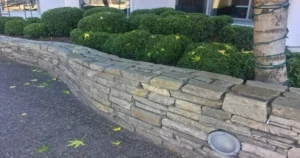
A retaining wall can do much more than add structure to a landscape. On properties with slopes, changes in elevation, or areas where soil needs additional support, the right retaining wall installers can help manage soil, improve drainage, and create more usable outdoor space.
If you are researching retaining wall types in Lancaster NY, three common options to consider are segmental retaining walls, concrete block retaining walls, and natural stone retaining walls. Each has different characteristics, appearance, installation requirements, and cost considerations.
Understanding these differences can help you determine which type may be appropriate for your property before speaking with a professional installer.
What Is a Retaining Wall?
A retaining wall is a structure designed to hold soil in place where there is a change in ground elevation. Instead of allowing soil to move naturally down a slope, the wall provides support and creates a more controlled landscape.
Retaining walls can be used for several purposes, including:
- Managing sloped or uneven areas
- Reducing soil erosion
- Creating level planting areas
- Defining garden beds
- Supporting landscape features
- Creating more usable yard space
- Improving the appearance of a sloped property
The appropriate wall design depends on factors such as wall height, soil conditions, drainage, slope, available space, and the material selected.
1. Segmental Retaining Walls
Segmental retaining walls are constructed from individual manufactured blocks that are designed to fit together. They are commonly used in residential landscaping because the blocks are available in different shapes, textures, colors, and finishes.
One advantage of segmental walls is their design flexibility. They can be used for straight walls, curves, garden borders, terraces, and other landscape features.
Advantages of segmental retaining walls
- Wide range of colors and textures
- Flexible design options
- Suitable for many residential landscape applications
- Individual blocks can be replaced if necessary
- Can complement patios, walkways, and other hardscape features
- Properly designed systems can provide effective drainage
Because the blocks are manufactured specifically for retaining-wall applications, installation involves more than simply stacking blocks. The base, wall alignment, drainage, backfill, and site conditions all need to be considered.
2. Concrete Block Retaining Walls
Concrete block retaining walls use concrete masonry units or purpose-designed retaining wall blocks to create a strong structural barrier against soil.
This type of wall can work well for properties that need a durable solution while still allowing homeowners to choose from different appearances and finishes.
Advantages of concrete block retaining walls
- Durable construction
- Available in different sizes and designs
- Can provide strong soil support when properly engineered and installed
- Suitable for a variety of landscape applications
- Can create clean, defined edges around outdoor spaces
The appropriate construction method depends on the height and conditions of the wall. Taller or heavily loaded walls may require additional engineering or reinforcement rather than relying on a simple block system.
Professional retaining wall installers in Lancaster NY can evaluate the site and determine what type of construction is appropriate for the project.
3. Natural Stone Retaining Walls
Natural stone retaining walls use materials such as fieldstone, limestone, or other suitable natural stone to create a more organic appearance.
For homeowners who want the retaining wall to blend naturally with gardens and surrounding landscaping, natural stone can provide a distinctive appearance because each piece of stone has its own shape, texture, and color.
Advantages of natural stone retaining walls
- Natural and timeless appearance
- Each wall can have a unique character
- Works well with gardens and planting areas
- Can complement other natural landscape materials
- Suitable for landscape designs that favor an organic appearance
However, natural stone construction can require careful material selection and skilled installation. The size and shape of individual stones, the wall design, drainage, and site conditions all affect the final result.
How Do You Choose the Right Retaining Wall?
There is no single retaining wall material that is appropriate for every property. The best option depends on the conditions at the installation site and what you want the wall to accomplish.
Consider the purpose of the wall
First, determine why the wall is needed. Is it intended to manage a slope, create a garden bed, reduce soil movement, or create a level area for another landscape feature?
Understanding the purpose helps determine the type and design of wall required.
Consider the height and length
Wall height is an important consideration. A short garden retaining wall has different structural requirements from a much taller wall holding back a significant amount of soil.
The length of the wall and the amount of soil it needs to support should also be considered during planning.
Evaluate drainage
Water management is one of the most important aspects of retaining wall construction. Water that accumulates behind a wall can increase pressure on the structure and contribute to drainage and stability problems.
A properly planned retaining wall should account for drainage based on the site’s conditions.
Consider the appearance
The wall should also fit the rest of your landscape. Segmental blocks can provide a clean and organized appearance, while natural stone can create a more organic look.
Consider how the wall will work with existing patios, walkways, gardens, plants, and other hardscape features.
Consider long-term maintenance
Different materials and construction methods have different maintenance considerations. Think about how the finished wall will fit into your overall landscape maintenance routine and whether individual components can be repaired or replaced if needed.
Retaining Wall Types: Benefits and Considerations
| Retaining Wall Type | Main Characteristics | Good For |
| Segmental retaining wall | Manufactured blocks, flexible designs | Gardens, slopes, terraces, residential landscapes |
| Concrete block retaining wall | Durable manufactured construction | Projects requiring strong, structured support |
| Natural stone retaining wall | Natural materials and unique appearance | Gardens and landscapes with an organic aesthetic |
The right choice should be based on more than appearance alone. Site conditions, drainage, wall height, soil, access, and the intended use of the area should all be evaluated before construction begins.
Why Professional Retaining Wall Installation Matters
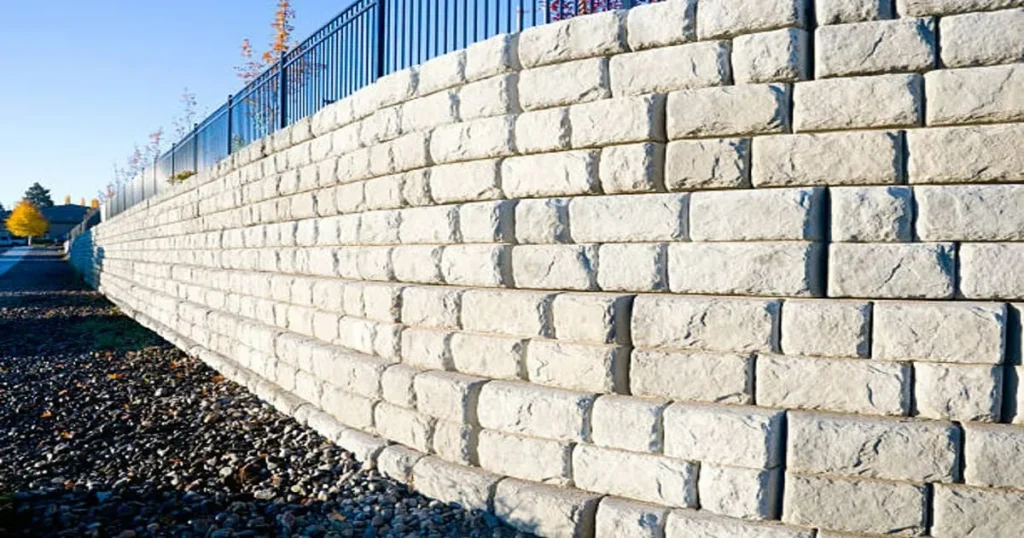
Retaining wall construction requires more planning than simply placing materials along the edge of a slope. The wall needs to work with the surrounding soil and manage water appropriately.
A professional installer can evaluate factors such as:
- Existing slopes and elevation changes
- Soil conditions
- Drainage requirements
- Wall height and length
- Available installation space
- Material selection
- Nearby structures and landscape features
- The overall design of the property
Professional installation can also help ensure that the finished wall is integrated properly with the rest of the landscape.
If your Lancaster property has a sloped area or you are planning a new garden, patio, or other outdoor feature, a retaining wall may be one part of a larger landscape design.
Retaining Wall Installation in Lancaster NY
For homeowners planning a retaining wall project, choosing the material is only one part of the process. The wall should be designed around the property’s existing conditions and the purpose it needs to serve.
Soil and Seed Landscaping provides retaining wall installation as part of its landscaping services. Our team can help evaluate your outdoor space, discuss material and design options, and develop a retaining wall solution suited to your property.
Whether you are looking to improve a sloped area, define a garden bed, or incorporate a retaining wall into a larger landscape project, professional planning can help create a functional and attractive result.
Frequently Asked Questions
What are the three main types of retaining walls?
Three common options for residential landscaping are segmental retaining walls, concrete block retaining walls, and natural stone retaining walls. Each material has different design and construction characteristics.
What is the most common type of retaining wall?
Segmental retaining wall systems are commonly used in residential landscaping because they offer a variety of designs and can be adapted to many landscape applications. The appropriate option still depends on the specific property and project requirements.
Are retaining walls good for sloped yards?
Retaining walls can be useful for managing changes in elevation and creating more level areas in a sloped yard. The wall needs to be appropriately designed for the slope, soil, drainage, and amount of soil it will support.
How long does a retaining wall last?
The lifespan of a retaining wall depends on its materials, construction, drainage, soil conditions, exposure, and maintenance. Proper design and installation are important factors in long-term performance.
Do retaining walls need drainage?
Drainage is an important consideration for many retaining wall projects. Water buildup behind a wall can increase pressure and contribute to structural problems, so drainage should be addressed during the design and installation process.
Should I install a retaining wall myself?
Small landscape projects may be suitable for some experienced DIY homeowners, but retaining walls involving significant height, slopes, drainage concerns, or substantial soil loads may require professional planning and installation.
Plan Your Retaining Wall Project in Lancaster
The right retaining wall can provide both practical support and a finished landscape feature. Segmental blocks, concrete blocks, and natural stone each offer different advantages, so the best choice depends on your property’s conditions, your goals, and your preferred appearance.
If you are considering retaining wall installation in Lancaster NY, Soil and Seed Landscaping can help you evaluate your options and plan a retaining wall that works with your landscape.
Soil and Seed Landscaping
5369 Marguerites Wy
Clarence, NY 14031
Phone: (716) 320-7707
Contact us to discuss your retaining wall project and landscaping needs in Lancaster, NY.