A great landscape success doesn’t start with flowers or pretty mulch; it starts with what’s under your feet. Soil health for landscaping makes all the difference for grass, shrubs, trees, and flowers, no matter how beautiful your design looks on paper. If your soil’s too dense, drains poorly, lacks organic matter, or just has the wrong pH, even the fanciest plan will hit a wall.
Getting the soil right up front is huge, but it doesn’t end there. Good soil keeps supporting your landscape long after it’s installed; roots grow stronger, water moves where it should, and plants just do better. Around Clarence and Western New York, homeowners who pay attention to their soil see less hassle, fewer problems, and a yard that’s easier to take care of. Soil health Clarence NY is an important consideration for homeowners planning new landscape projects.
Why Soil Health Really Matters
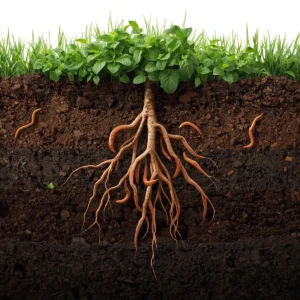
Soil does a lot more than just keep plants upright. It’s where roots get air, water, and nutrients, and it gives them a place to anchor. The USDA breaks down healthy soil into physical, chemical, and biological parts, all working together. Basically, you want soil to be part of your landscape plan, not something you think about after the fact. Good structure means roots spread easily. Proper drainage means you’re not battling puddles or dry patches all the time.
Skip soil prep and problem signs pop up: plants barely hang on, the lawn gets patchy, or you find soggy spots after every rainstorm. Fixing all this later eats up way more time and money than just starting off right. Healthy Soil for Landscaping gives your plants a better foundation from the beginning.
How Soil Fits Into Landscape Success Design
Every property’s different, and so is the soil. Good design works with that, not against it. Soil shapes everything: what plants will thrive, how well lawns establish, and where water wants to go. If you choose a plant that loves dry soil and stick it in a wet corner, good luck. And compacted ground? It’s tough for grass or anything else to take off there.
Smart landscape plans consider how each part of the property gets used and what that means for soil. Lawn, planting beds, shade trees, walkways- they all might need something a little different.
Soil and Landscape Design goes hand in hand because soil conditions can affect plant selection, drainage, lawn establishment, and planting beds.
If you want a professional’s touch, Soil and Seed Landscaping offers custom design services to tie your goals and your soil together.
What to Watch Before You Start Landscaping
Start by figuring out what’s already in the ground. Sometimes, looking at your soil tells you enough. But if you’ve got stubborn problems or a big project coming up, it’s worth testing. Soil testing Clarence NY homeowners choose can help identify important conditions before landscaping begins.
Testing tells you about nutrients and pH, which is a fancy way of saying whether certain plants can get what they need. If pH is off, some nutrients basically go missing. That guides what you plant and whether you’ll need extra amendments.
Organic matter is another main point. It improves structure and brings life into the soil, which helps with everything from root growth to nutrient cycling. Organic matter for soil is an important part of maintaining good soil structure. Don’t ignore compaction either; heavy traffic, machinery, and even repeated footpaths can pack soil down until roots struggle, water pools, and grass just won’t grow.
Drainage always matters. If water sits too long, roots suffocate. Soil Drainage Clarence NY homeowners need to consider because Clarence’s weather can be rough on landscapes if drainage’s not dialed in.
How to Build Better Soil Before You Plant
Give your plants a head start. Test your soil, especially if you’re tackling a big job or keep running into problems. You want to know what you’re dealing with so you aren’t just dumping products on the ground and hoping for the best. Soil preparation for landscaping helps create a better starting point for new plants, lawns, and beds.
Common fixes include adding compost or other organic amendments, chosen to address what your specific soil is missing. More isn’t better; use what fits your situation and mix it in properly. Soil Amendments Clarence NY projects should be based on the actual needs of the soil.
For compacted areas, you’ll need to break things up. Soil compaction in Clarence NY can make it difficult for roots, water, and air to move through the soil. Fix drainage with grading or other changes before you install anything. You don’t want these headaches hiding under your new lawn or beds.
Professional soil management helps if you’ve got difficult issues, poor drainage, extra-hard ground, uneven slopes, repeated plant failures, or aftermath from construction. Soil Management Clarence NY homeowners need can vary depending on the property and the condition of the existing soil.
Healthy Soil = Healthy Plants
The link’s simple: strong roots want healthy soil. When those basics- air, water, nutrients, and root room- are covered, plants settle in better and get off to a quicker start. Soil health and plant growth are closely connected because roots depend on the surrounding soil for the conditions they need.
But not every plant wants the same soil. Part of a good design is matching what’s growing to the conditions you’ve actually got. Don’t just pick plants and figure out soil later; do it side-by-side. Healthy soil for plants gives roots a better environment to establish and develop.
Let the site decide what fits where. That way, everything from moisture to sunlight lines up. Plants, lawns, and beds they all thrive when the plan makes sense for your yard.
Lawns, Planting Beds, and Their Soil Needs
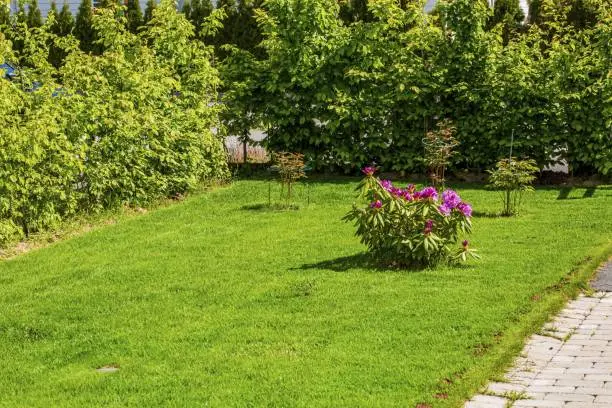
Lawns really show when soil’s off. If it’s compacted or doesn’t drain well, it won’t matter how perfectly you seed or lay sod; the grass will struggle.
The same goes for planting beds. Trees, shrubs, perennials- they all want space for roots. Poor soil makes that tough.
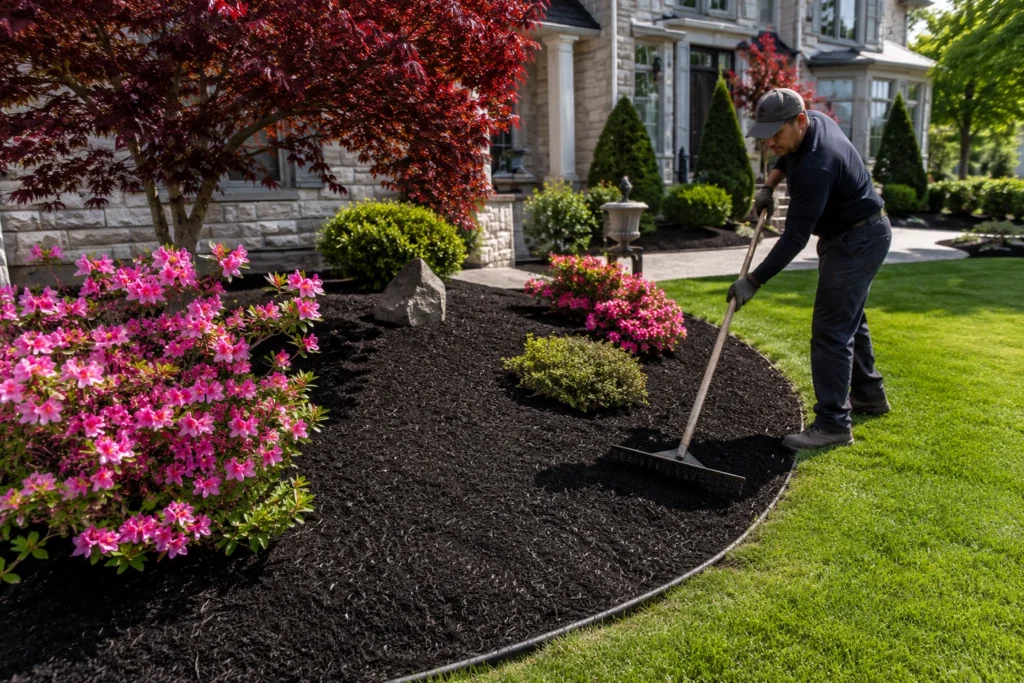
A good layer of organic mulch helps, too, sealing in moisture and protecting surface roots. If you’re curious, you can dig deeper into mulch benefits, but the bottom line is it’s smart for soil and plants.
When’s It Time for a Pro?
Not every small job needs a soil expert. But if you’re staring at standing water, rock-hard ground, or weak growth, or you’re planning a big project, some professional advice can save a ton of headaches. Soil health for gardens should be considered when planning or improving planting areas.
Especially if you’ve tried before and gotten nowhere, it’s probably not just the plants’ fault. A detailed soil assessment gets to the root of things instead of just patching symptoms.
Thinking about starting fresh? Get in touch with Soil and Seed Landscaping at (716) 320-7707. They’ll help you look at your yard’s soil, drainage, design, and installation needs.
Keeping Soil Healthy Long-Term
Soil keeps changing, even after your landscape goes in. Plants, weather, and maintenance activities all play a role.
Good upkeep means not over-disturbing the ground or stripping away the surface. Mulch prevents dry-outs and shields beds, smart watering keeps plants from stressing, and watching for changes, like pooling water or bare spots, lets you catch problems before they get out of hand.
For homeowners ready to nerd out, the USDA NRCS has plenty of info on soil testing, checking health, and what to watch for as things evolve. Soil Health Testing | Natural Resources Conservation Service. Improving Soil Health is an ongoing part of maintaining a successful landscape.
Healthy Soil Pays Off for Years
Getting the soil right isn’t just about a nice-looking landscape on day one. Proper prep creates stronger root systems, better drainage, and easier care down the road.
A landscape plan that matches the site, soil included, saves you from endless fixes later. For anyone investing in Landscape Design Clarence NY, make soil part of the conversation right from the start.
If you’re not sure what your property needs – soil testing, amendments, fixing compaction, drainage solutions – a professional can help you figure out the smart steps. Reach out to Soil and Seed Landscaping at (716) 320-7707 to get things moving.
Frequently Asked Questions
Why care about soil health in landscaping?
Because Soil Health for Landscaping helps roots dig in, improves water and nutrient access, and supports healthy plants, right from the start.
Should I test my soil first?
Yep. If you’re struggling or planning a big job, testing tells you what’s going on under the surface. Soil Testing Clarence NY homeowners can provide useful information before landscaping begins.
How can I fix bad soil?
Usually with organic matter, specific amendments, loosening up compaction, or better drainage. The solution depends on what’s already there. Soil improvement for landscaping should be based on the condition and needs of the soil.
Is compacted soil hurting my lawn?
Absolutely. When soil’s packed, air and water can’t get through, and roots have a hard time. Lawns thin out fast. Soil Compaction Clarence NY can be an important concern when lawn growth is weak.
When should I call a pro?
Serious drainage or compaction problems, weak growth that won’t improve, major grading, or big projects all call for expert help.
Conclusion
In the end, healthy soil sets your whole landscape up for success. Test and prep it right, and plants settle in stronger while lawns take hold. Good drainage, enough organic matter, smart plant selection, and a well-thought-out design keep things working smoothly.
It’s a simple chain reaction: healthy soil grows strong plants, strong plants keep the landscape looking and performing better, and all that means less long-term trouble for you. Make soil health a core part of your landscape plans, and you’ll get an outdoor space that looks great and lasts for years.