When homeowners begin planning a landscape upgrade, one of the first questions they often face is whether to use mulch installation or decorative stone. Both materials improve the appearance of flower beds, walkways, and landscape features, but they perform very differently over time. Choosing the right option isn’t simply about appearance—it also affects maintenance, soil quality, plant health, drainage, and long-term costs.
For Buffalo-area homeowners, this decision becomes even more important because local landscapes experience a wide range of weather conditions throughout the year. Heavy snowfall, spring rain, humid summers, and freezing winter temperatures all influence how landscaping materials perform. A product that works well in a warmer climate may not provide the same benefits in Western New York.
Understanding the strengths and limitations of each option helps homeowners create outdoor spaces that remain attractive while supporting healthy plants and reducing unnecessary maintenance. Whether you’re updating existing flower beds or planning an entirely new Landscape Design, knowing how mulch and decorative stone compare can save both time and money.
Understanding Mulch
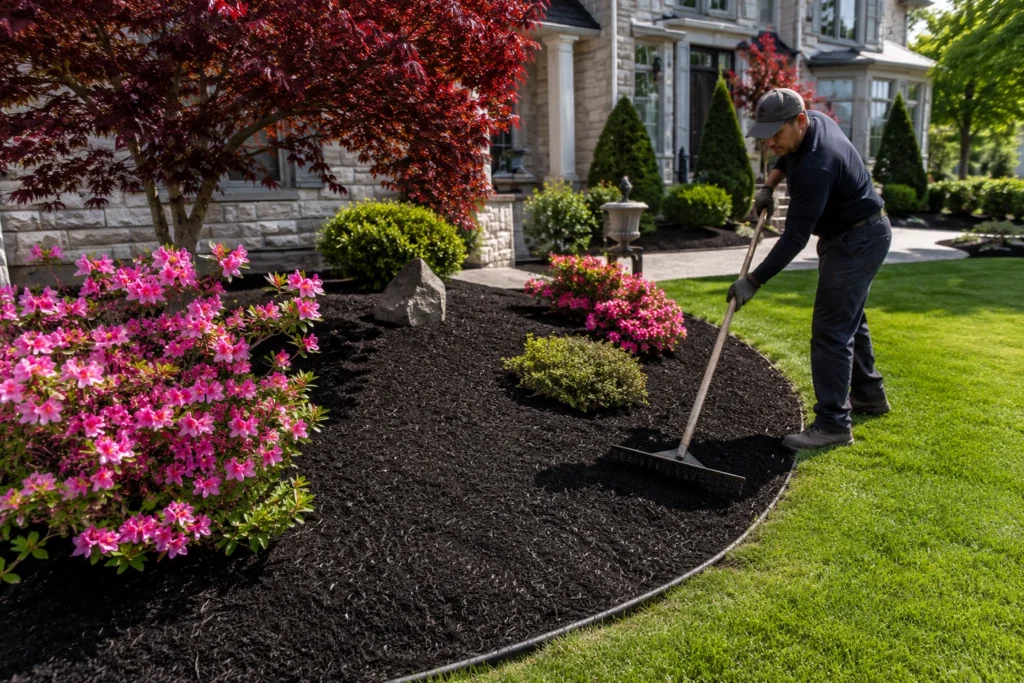
Mulch is an organic or inorganic material spread across the soil surface to protect plants and improve growing conditions. Organic mulch is the most common choice for residential landscapes because it gradually decomposes, adding nutrients back into the soil.
Popular mulch materials include:
- Shredded hardwood
- Cedar mulch
- Pine bark
- Wood chips
- Compost blends
Organic mulch provides much more than decorative appeal. As it slowly breaks down, it feeds beneficial microorganisms and improves soil structure. This natural process creates healthier growing conditions for flowers, shrubs, ornamental grasses, and young trees.
Professional Mulch Installation also creates a consistent appearance throughout the landscape while helping regulate soil temperature and moisture levels.
What Is Decorative Stone?
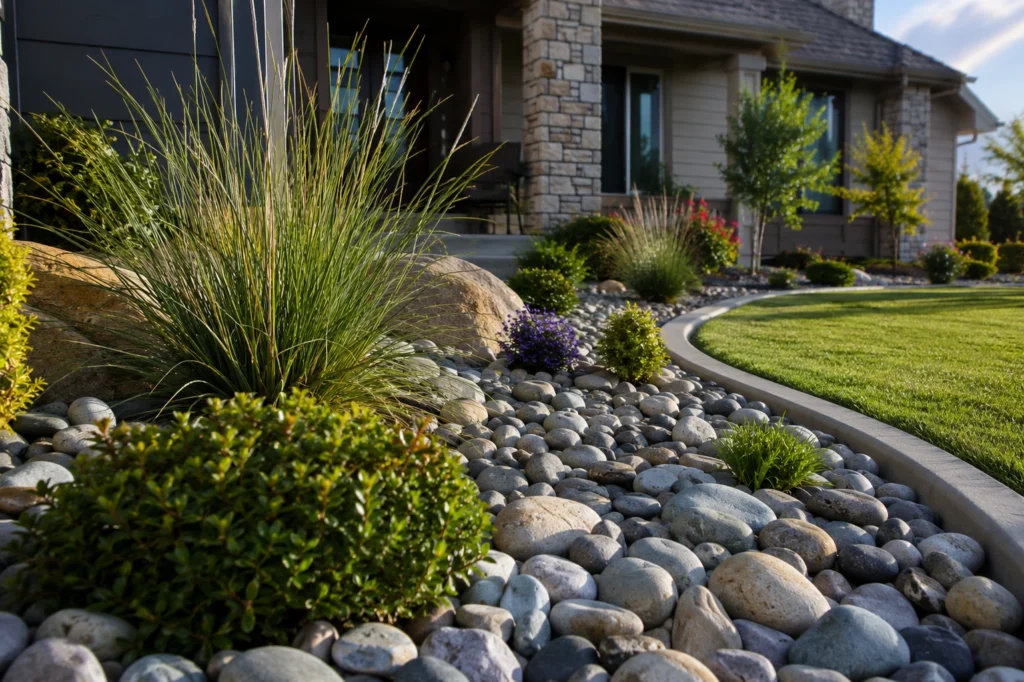
Decorative stone consists of natural or manufactured rock products placed over landscape fabric or prepared soil. Unlike mulch, stone does not decompose and generally remains in place for many years.
Common decorative stone options include:
- River rock
- Pea gravel
- Crushed limestone
- Marble chips
- Decorative granite
- Lava rock
Stone is frequently selected for modern garden maintenance because it creates a clean, polished appearance with relatively little seasonal replacement.
Many Buffalo homeowners use decorative stone around foundations, pathways, drainage areas, and xeriscape gardens where long-term durability is a priority.
Comparing Appearance
Both materials offer attractive finishes, but they create very different visual styles.
Mulch provides a softer, more natural appearance that complements trees, flowering plants, and traditional gardens. Fresh mulch enhances plant colors and creates contrast against green foliage. As plants mature throughout the growing season, mulch blends naturally into the landscape.
Decorative stone offers a more structured and permanent aesthetic. Its clean lines work particularly well with modern architecture, contemporary homes, and minimalist landscape designs. Different stone colors allow homeowners to match existing exterior materials such as brick, siding, or natural stone facades.
For homeowners investing in thoughtful garden landscape design, the overall style of the property often helps determine which material provides the most cohesive appearance.
Soil Health: Where Mulch Has the Advantage
One of the biggest differences between mulch and decorative stone is their impact on soil.
Organic mulch actively improves soil every year.
As mulch decomposes, it contributes valuable organic matter that:
- Improves soil structure
- Increases water retention
- Supports beneficial earthworms
- Encourages microbial activity
- Adds nutrients naturally
- Reduces soil compaction
Healthy soil supports stronger root systems, healthier flowers, and longer-lasting shrubs.
Decorative stone, on the other hand, provides virtually no nutritional benefit. While it protects the soil surface from erosion, it does not improve soil fertility or biological activity.
Over several years, landscapes covered with organic mulch often develop richer, healthier soil that requires fewer amendments.
Moisture Retention
Buffalo summers can include periods of heat followed by heavy rain. Landscapes benefit when soil moisture remains consistent rather than constantly drying out.
Mulch acts as a protective blanket over the soil surface.
Benefits include:
- Reduced evaporation
- More consistent soil moisture
- Less watering during dry periods
- Better root protection
- Reduced plant stress
Decorative stone also slows evaporation to some extent but often absorbs significant heat during sunny days. The rocks can become considerably warmer than surrounding mulch, raising soil temperatures around plant roots.
For moisture-loving shrubs, perennial flowers, and newly planted trees, mulch generally provides a more favorable growing environment.
Weed Control
Both mulch and decorative stone help suppress weeds when properly installed.
Mulch blocks sunlight from reaching weed seeds while creating a physical barrier that makes weed growth more difficult.
Decorative stone also blocks sunlight, especially when combined with landscape fabric. However, over time dust, organic debris, and wind-blown soil accumulate between rocks. Weed seeds eventually germinate in this material, making removal more challenging because roots become intertwined with the stones.
Mulch-covered weeds are generally easier to remove and fresh mulch applications help restore weed suppression each season.
Temperature Control During Buffalo Winters
Western New York experiences dramatic seasonal temperature changes.
Winter freeze-thaw cycles place stress on plant roots, especially newly planted shrubs and perennials.
Organic mulch provides excellent insulation by reducing rapid temperature fluctuations.
This helps:
- Protect root systems
- Reduce frost heaving
- Maintain consistent soil temperatures
- Improve winter survival for sensitive plants
Decorative stone provides much less insulation. In fact, stone often transfers cold temperatures more directly into the soil during winter while becoming extremely hot during summer.
For planting beds containing valuable ornamental plants, mulch offers significantly better year-round root protection.
Maintenance Requirements
Many homeowners assume decorative stone requires no maintenance. While it certainly lasts longer than mulch, stone landscapes still require ongoing care. Because mulch naturally decomposes, periodic replenishment is expected. However, the process also renews soil health, making annual maintenance beneficial rather than simply cosmetic. A professional mulch installation service can quickly refresh beds each spring, restoring both appearance and soil protection
| Mulch | Decorative Stone |
| Annual Refreshing | Weed removal |
| Occasional raking | Leaf Removal |
| Spot replacement | Debris cleanup |
| Weed Removal | Washing dirty stones |
| Edge Cleanup | Re-leveling displaced rock |
| Replacing migrated landscape fabric |
Long-Term Costs
At first glance, decorative stone often appears to be the more economical investment because it rarely requires replacement.
However, installation costs are considerably higher.
Stone projects usually require:
- Greater excavation
- Landscape fabric
- Base preparation
- Delivery of heavy materials
- Additional labor
Mulch installations generally cost less initially but require replenishment every one to three years depending on weather conditions and mulch type.
When evaluating total ownership costs over ten years, the differences may be smaller than expected because mulch continually benefits soil and plant health, potentially reducing future landscaping expenses.
Ready to upgrade your landscape?
Call (716) 320-7707 to book a consultation or visit our Google Business Profile to see completed projects and reviews from satisfied homeowners across the Buffalo area.