Making your outdoor space beautiful isn’t just about curb appeal. It’s also about creating an environment that gives something back to nature. More homeowners are choosing pollinator friendly landscaping in Buffalo, NY because it combines a visually appealing yard with a space that supports bees, butterflies, birds, and other beneficial wildlife. Native plants are a great choice for this approach because they are naturally adapted to Western New York’s climate, require less maintenance, and can thrive without constant attention.
If you’re planning a new garden or looking to improve your existing landscape, selecting native, pollinator-friendly plants can make a noticeable difference. These plants provide essential food sources for local pollinators, improve soil health, and help create a landscape filled with color, texture, and movement from spring through fall. With the right plant choices, your yard can become both a beautiful outdoor retreat and a welcoming habitat for nature.
Why Native Plants Really Matter in Western New York
Native plants just get it. They’ve evolved to fit right into Western NY’s mix of long winters and humid summers. You don’t have to drown them with water or load your soil with fertilizers. They’re already a good fit. Plus, local insects and birds depend on these plants for food and shelter. It’s a whole ecosystem, and these are the main players.
If you try to plant tropical stuff or non-natives, chances are good you’ll be running around with a hose or worrying about frostbite. Natives are built for Western New York’s mood swings. They stick around and look good doing it.
So when you invest in pollinator friendly landscaping buffalo ny, you’re making a yard that actually works with nature, not against it.
Pollinators: Why They Matter
Bees, butterflies, hummingbirds, all those little movers, they’re working hard behind the scenes. They pollinate crops, wildflowers, and the trees lining your block. If they disappear, much of the beauty and food disappear with them.
Unfortunately, their numbers have been dropping thanks to stuff like pesticides and disappearing green spaces. But each yard filled with native flowers helps turn the tide. Even adding just a few can make a real difference to local bee and butterfly populations.
So go for pollinator-friendly choices. Your yard gets gorgeous blooms, and you’re doing a bit of good for Buffalo’s birds and bugs.
Top Native Flowers for Buffalo’s Pollinator Gardens
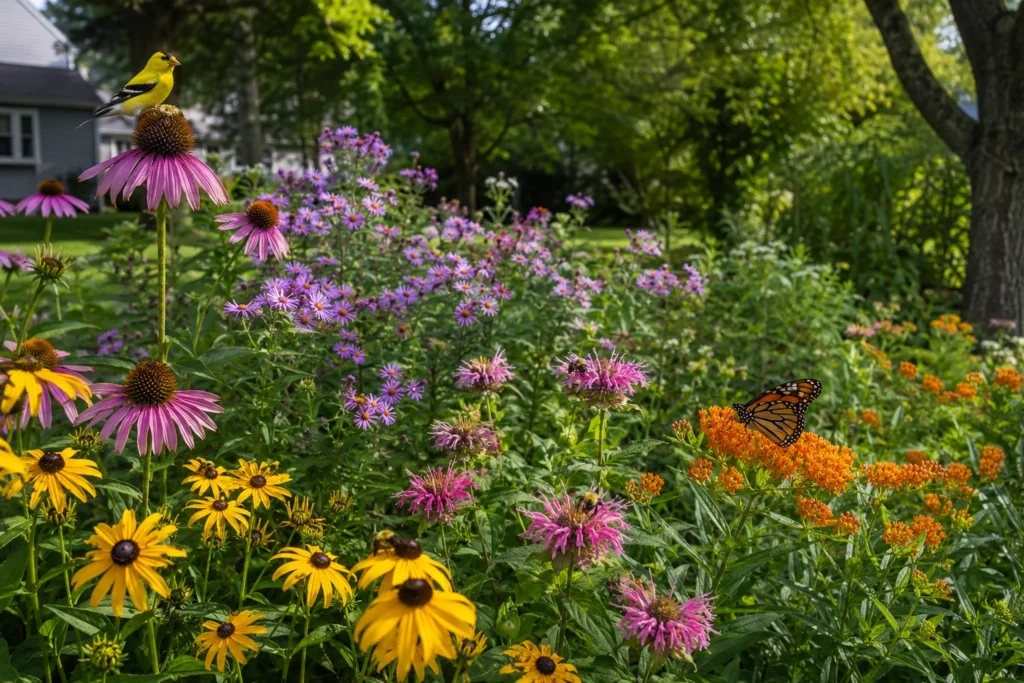
You’ve got great native options, and most of them are downright showy.
Purple Coneflower stands out, with those big purple blooms; you’ll see bees, butterflies, and even goldfinches swing by for a snack.
Black-Eyed Susan brings sunshiny yellow flowers that stick around for months and draw in all sorts of helpful bugs.
Bee Balm is a hummingbird magnet. Those bright red or pink tufts look wild, and they smell great, too.
New England Aster comes alive when other flowers fade, so pollinators still have a late-season buffet.
Butterfly Weed explodes in orange, and monarch butterflies love it. Its leaves help their caterpillars survive.
Mix these in a bed, and you’ve got a garden full of color, movement, and life for months.
Native Shrubs That Make a Difference
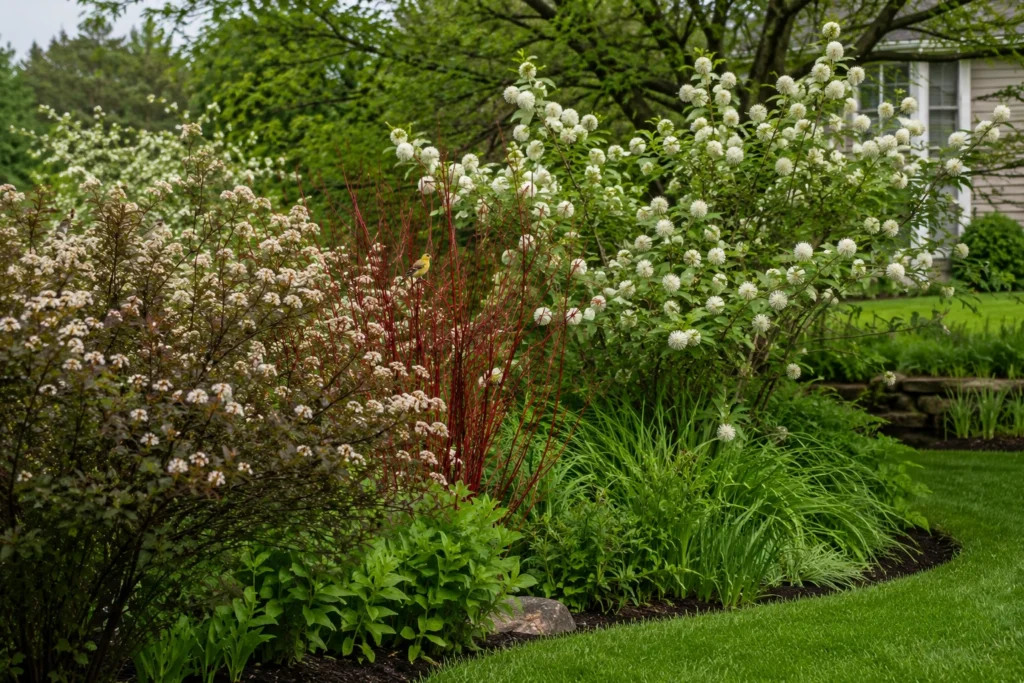
Don’t overlook shrubs. They give birds and pollinators nesting spots and food, and some of them pull double-duty for winter interest, too.
Buttonbush has those funky white puffs bees can’t resist. It’s perfect near wet spots.
Red Osier Dogwood brings red stems for winter and flowers and berries for the rest of the year.
Ninebark has pretty blooms in spring, cool bark all year, and shrugs off Buffalo’s tough winters.
Use these to add structure and privacy and keep things interesting year-round.
The Case for Native Trees
Trees can be the backbone of a pollinator garden maintenance, even if they usually get overlooked.
Red Maple pops with early flowers in spring. Bees love having something to snack on right out of the gate.
Eastern Redbud sports clouds of pink early in the year, before most nearby trees have leaves.
Serviceberry checks all the boxes: spring blooms, summer berries for birds, and orange-red fall leaves.
You also get bonus perks: cleaner air, better drainage, and cool shade in July.
Better Soil, Better Garden
Let’s be honest: good gardening really starts underground. Rich, healthy soil means your plants fight off problems and stay lush.
Work in compost whenever you can. It keeps roots happy and holds water during dry spells. Skip the synthetic fertilizers when you can. Good soil means you won’t need them much anyway.
Stay on top of things with some professional Garden maintenance if you want. It’ll help you catch little issues before they turn into big headaches.
Mulch: Not Just for Looks
Mulch does more than just tidy up flower beds. It locks in soil moisture, blocks weeds, keeps roots cool, and makes everything look finished. Organic mulch is best. It breaks down slowly, putting nutrients back where your plants need them.
Get it installed right, not too deep around tree trunks or plant stems, and you’ll help your garden thrive. Professional mulch installation means you don’t have to sweat the details.
Smart Garden Design Matters
Any great garden maintenance starts with a solid plan. You want to think about where the sun hits, where water gathers, what your soil is like, and how big all those plants will actually get.
Stagger your plant choices so something’s always in bloom. Layer flowers, shrubs, grasses, and trees for a landscape that looks lush and feels natural while needing less babying in the long run.
A professional landscape design helps bring all these elements together into one beautiful outdoor space.
Mixing Lawns and Pollinator Spaces
A good lawn is still part of many yards, but you don’t need to let grass take over everything. Trim back the size a bit and edge it with native flower beds. You’ll have space to play, and pollinators get what they need.
Care for your lawn using less fertilizer and skip the pesticides when you can. That way, you’re not driving away all the good bugs. A reliable lawn maintenance service can help keep your lawn healthy while protecting nearby pollinator-friendly gardens.
Blend the two, and your yard can be both practical and productive.
Outdoor Living with Nature in Mind
Who doesn’t love a spot to grab a coffee or unwind after work? A paver patio installation surrounded by native beds turns into a wildlife show. Hummingbirds, butterflies, birds, there’s always something to watch.
Use quality materials so your patio lasts. Pair it with pollinator-friendly plants, and you get a space that feels good in every season and adds value to your home.
Native Landscaping Pays Off Over Time
Going native isn’t just about the first season. It’s a smart investment. These plants stick around, need less watering and fuss, and naturally balance out pests and weeds.
They bring in more birds and butterflies, enhance the soil, and keep your yard healthy with minimal effort. Over time, most people notice their yards just feel more alive and need less troubleshooting.
Not sure how to start? Professional landscaping services can help you pick the right mix so your garden stays appealing every month.
Whether you’re working with a big lot or a tiny plot, native landscaping makes your property stand out and helps support Western New York’s environment.
Ready to Get Started?
If you’re looking to transform your yard with native plants and expert care, call Soil and Seed Landscaping at (716) 320-7707. Their team knows exactly how to create a landscape design that’s beautiful, sustainable, and built for Buffalo weather.
Conclusion
Choosing pollinator friendly landscaping buffalo ny is one of the best moves you can make for your home and the planet. Native flowers, shrubs, and trees bring lasting color and energy, all while supporting bees, butterflies, birds, and the rest of Buffalo’s wildlife.
Lay a good foundation with healthy soil, pick the right plants, and keep up with smart maintenance. Your landscape design will keep looking great year after year. Working with an expert crew just makes the process smoother.
Thinking about redoing your space? Contact Soil and Seed Landscaping at (716) 320-7707. You’ll get a landscape that supports nature, adds value, and looks great.
For more info on native gardening, check out resources like the Xerces Society: https://www.xerces.org/pollinator-conservation.
FAQ
What’s pollinator-friendly landscaping?
It means picking plants that feed and shelter bees, butterflies, hummingbirds, and other helpful insects.
Why use native plants in Western New York?
They’re perfectly suited for the local climate, so they grow easily and help local wildlife thrive.
Do native plants really need less care?
Yes. Once they’re established, they need less water and fertilizer and pretty much take care of themselves.
Can I have a lawn and a pollinator garden?
Definitely. Combine healthy grass areas with beds of native flowers for a balanced, attractive yard.
When’s the best time to plant native flowers?
Go for spring or early fall in Western New York. The cooler air and moist soil help plants root and settle in.